When Books Became a Luxury
In 1943, walking into an American bookstore meant confronting a stark reality: most shelves sat empty, and the books that remained cost more than a week's groceries. World War II had created an unprecedented paper shortage, and the federal government's rationing program treated books as non-essential items.
Publishers faced an impossible choice: stop printing entirely or find a completely different way to make books. Their desperate solution would accidentally create the most democratic reading revolution in American history.
The Crisis That Changed Everything
The War Production Board's paper rationing program, implemented in 1942, cut civilian paper allocation by 40%. Publishers received the smallest quotas of any industry, behind newspapers, government documents, and even packaging materials. Many established publishing houses simply shut down for the duration of the war.
Robert de Graaf, a young editor at Pocket Books, refused to accept that Americans would stop reading during wartime. Instead, he proposed something radical: if publishers couldn't get enough paper to print regular books, they'd print completely different books.
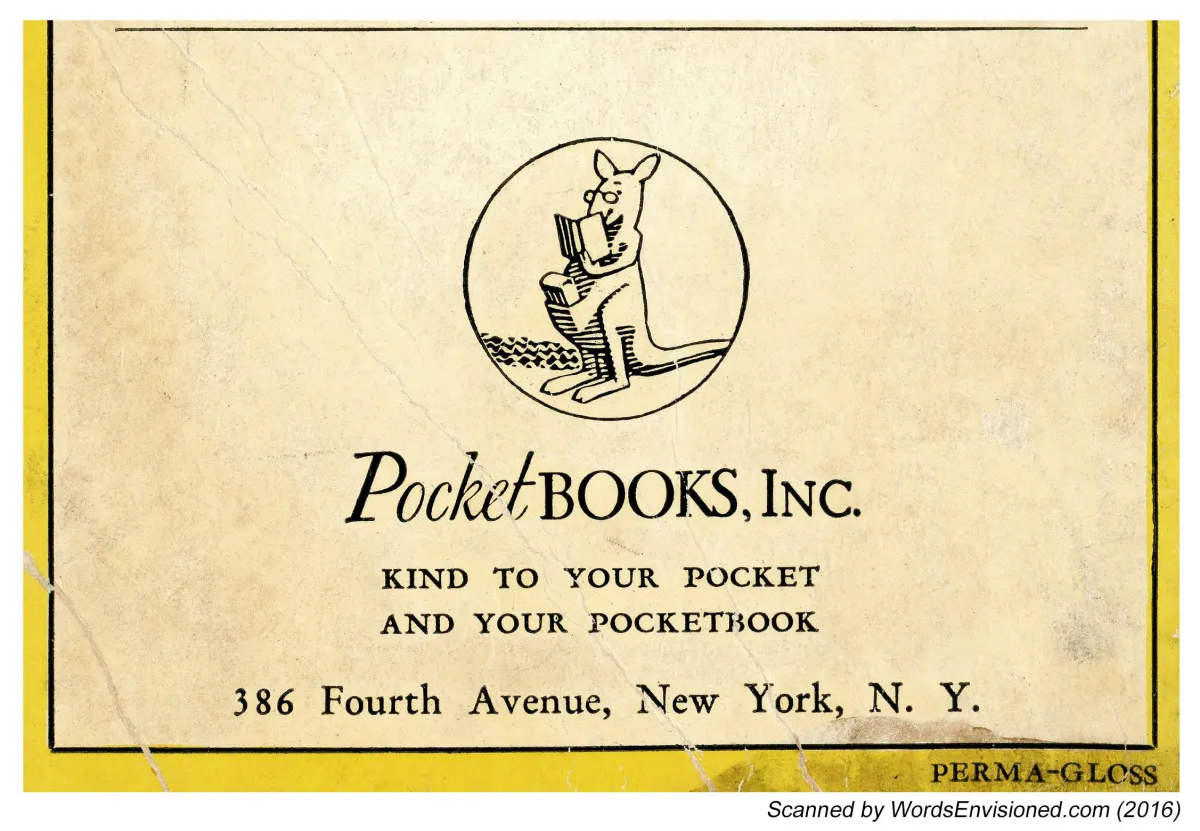 Photo: Pocket Books, via wordsenvisioned.com
 Photo: Robert de Graaf, via assets.catawiki.nl
The Paperback Experiment
De Graaf's plan was simple in concept but revolutionary in execution. Instead of printing on heavy, cream-colored paper with wide margins and large fonts, Pocket Books would use thin, pulp paper—the same material used for magazines and newspapers. Books would be smaller, with tighter spacing and smaller fonts.
The first experimental run in 1943 produced 2,000 copies of "The Good Earth" by Pearl S. Buck. The books measured just 4.25 by 6.5 inches—about half the size of a standard hardcover. They sold for 25 cents instead of the typical $2.50 for hardcovers.
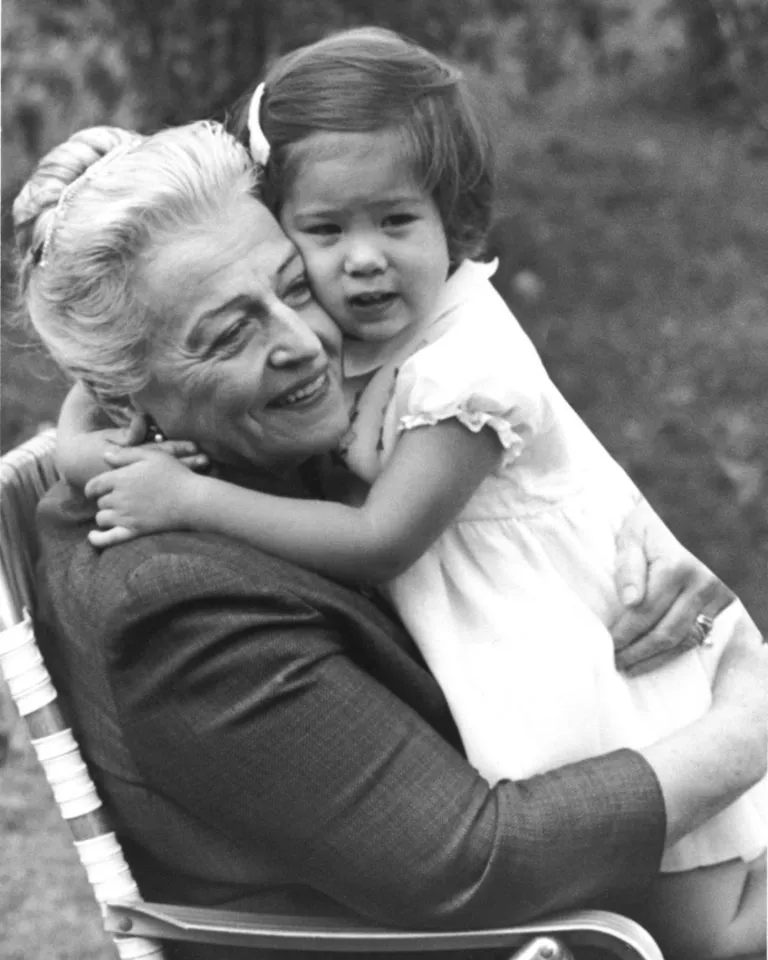 Photo: Pearl S. Buck, via pearlsbuck.org
Critics dismissed these "paperbacks" as cheap imitations that would fall apart after a single reading. They were partially right—the books weren't built to last. But they were built to be affordable.
Wartime Readers Embrace the Change
American readers, starved for new books, embraced paperbacks immediately. The first print run sold out in three days. More importantly, the books were reaching readers who had never bought books before.
Factory workers could afford to buy paperbacks with their lunch money. Soldiers shipped overseas could pack multiple paperbacks in the space that one hardcover would occupy. Commuters discovered they could read on crowded trains without the bulk and weight of traditional books.
By 1944, Pocket Books was printing 50,000 copies per title, numbers that would have been impossible with traditional paper allocations.
The Materials Innovation
Wartime necessity forced publishers to experiment with unconventional materials. When traditional book paper became completely unavailable, publishers began using:
- Newsprint from closed newspapers
- Wrapping paper from shuttered department stores
- Even repurposed wallpaper samples
These materials were often inconsistent in color and texture, giving early paperbacks a distinctly rough, utilitarian appearance. But readers didn't care—they were thrilled to have new books at all.
The binding process was similarly improvised. Traditional bookbinding required expensive leather and cloth covers. Paperbacks used simple glue binding with paper covers, printed using the same presses that produced magazines.
The Psychology of Disposable Books
Something unexpected happened as Americans got used to paperbacks: they started treating books differently. Hardcover books had always been treated as permanent possessions, carefully preserved and displayed on shelves. Paperbacks were treated more like magazines—read once and passed along or discarded.
This shift in perception was revolutionary. Books stopped being luxury items that people saved up to buy and started being impulse purchases. Readers began taking risks on unknown authors and genres because the financial investment was minimal.
Bookstores noticed that paperback buyers often purchased multiple books at once, something that rarely happened with hardcovers.
The Postwar Persistence
When paper rationing ended in 1945, most industry observers expected paperbacks to disappear. Publishers would return to printing "real" books, and readers would abandon the wartime compromise.
Instead, the opposite happened. Paperback sales continued to grow exponentially. Americans had discovered that smaller, cheaper books fit better into their increasingly mobile lifestyles. Veterans returning from overseas were accustomed to the portability of paperbacks. Suburban commuters preferred books they could read on trains and buses.
By 1950, paperbacks accounted for 40% of all book sales in America.
The Distribution Revolution
Paperbacks didn't just change how books were made—they changed where books were sold. Hardcover books were traditionally sold only in bookstores and department stores. But paperbacks, with their magazine-like appearance and pricing, could be sold anywhere magazines were sold.
Suddenly, books appeared in drugstores, bus stations, airports, and grocery stores. Americans could buy books while running errands or waiting for transportation. Reading became an impulse activity rather than a planned purchase.
This distribution network meant that books reached communities that had never had bookstores. Rural Americans, in particular, gained access to literature through paperbacks sold in general stores and gas stations.
The Cultural Transformation
The paperback revolution democratized reading in ways that publishers never anticipated. Before the war, book ownership was largely limited to educated, affluent Americans. Paperbacks made books accessible to working-class readers, teenagers, and anyone with 25 cents to spare.
Genres that had been considered too lowbrow for hardcover publication—science fiction, romance, mysteries—found new life in paperback format. Publishers discovered that these genres often outsold literary fiction when priced affordably.
The success of genre paperbacks eventually forced the entire publishing industry to reconsider what kinds of books deserved publication.
The Lasting Legacy
Today, paperbacks account for nearly 80% of book sales in America. The format that began as a desperate wartime measure has become the dominant way Americans consume literature. Modern paperbacks use better materials and binding techniques than their 1940s predecessors, but the basic concept remains unchanged.
E-books, despite their technological advantages, have largely followed the paperback model: they're cheaper than hardcovers, more portable, and treated as disposable purchases rather than permanent possessions.
The Accidental Innovation
The paperback revolution succeeded because it solved problems that publishers didn't even realize existed. Americans wanted books that were affordable, portable, and accessible—but the publishing industry had never prioritized these qualities.
World War II paper rationing forced publishers to accidentally discover what readers actually wanted. The crisis that threatened to kill American reading instead created the most successful book format in publishing history.
Robert de Graaf's wartime compromise became a permanent transformation, proving that sometimes the best innovations come from having no other choice.