The Casket Salesman Who Convinced America to Stop Working on Saturdays
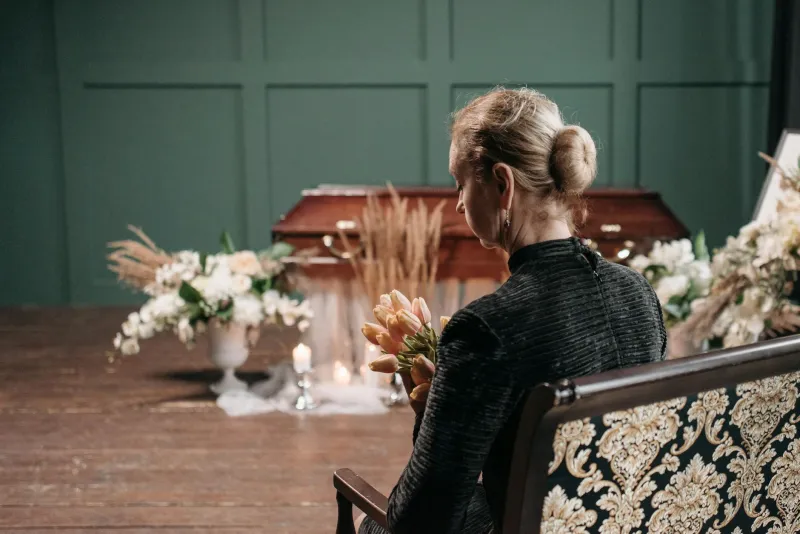
Every American assumes the weekend was hard-fought territory won by brave labor organizers facing down industrial titans. The truth is far stranger: our two-day weekend exists because a funeral home equipment salesman convinced Congress that Americans weren't spending enough money on dead people.
The Salesman with a Very Specific Problem
In 1926, Harold Steinberg sold caskets, embalming equipment, and funeral parlor furniture across the industrial Midwest. Business was booming — America's urban population was exploding, and elaborate funerals had become symbols of middle-class respectability. But Steinberg had noticed a troubling pattern in his sales data.
Families planning funerals on weekdays spent an average of $340 on services and merchandise (roughly $5,000 today). But when the same demographic planned weekend funerals, spending jumped to $580. The difference was time. Weekday funerals meant rushed decisions, minimal family consultation, and cheaper everything.
"People need time to grieve properly," Steinberg wrote in a 1927 trade publication. "But more importantly, they need time to make appropriate financial commitments to honor their deceased."
Steinberg had stumbled onto something that labor organizers had missed: Americans weren't just overworked — they were under-shopping.
The Unlikely Coalition
Steinberg's solution was audacious. If he could somehow give American families more weekend time, funeral spending would naturally increase. But how do you convince an entire economy to abandon profitable Saturday work schedules?
He started building the most unlikely lobbying coalition in American political history. Funeral directors provided the funding and organization. Religious leaders contributed moral authority — arguing that families needed "proper time for spiritual reflection" during bereavement. Even some forward-thinking manufacturers joined, reasoning that well-rested workers might actually be more productive during a shorter week.
The coalition called itself the "American Family Time Protection Association," carefully avoiding any mention of caskets or burial profits.
The Brilliant Bureaucratic Strategy
Rather than push for dramatic federal legislation, Steinberg's group targeted something far more mundane: government employee schedules. In 1927, they convinced three state governments to experiment with Saturday closures for "administrative efficiency reasons."
The results were immediate and measurable. In Ohio, funeral spending increased 23% within six months. But more importantly, local businesses reported that government workers were shopping, dining, and entertaining on Saturdays like never before. The economic ripple effect was undeniable.
By 1929, Steinberg's coalition was armed with hard data proving that two-day weekends generated more consumer spending than six-day work weeks lost in productivity. They weren't arguing for worker rights — they were arguing for economic growth.
When the Depression Made the Case
The 1929 stock market crash accidentally provided Steinberg's movement with its most powerful argument. As unemployment soared, the idea of spreading available work across more days suddenly made economic sense. If companies could hire more workers by reducing individual work schedules, Saturday closures became a job creation strategy.
President Roosevelt's administration, desperate for any policy that might reduce unemployment numbers, quietly began encouraging federal agencies to experiment with five-day schedules. The official justification was "work-sharing to maximize employment opportunities." The real driving force remained Steinberg's coalition, now working behind the scenes with Roosevelt's economic advisors.
The Religious Cover Story
To sell the weekend concept to conservative America, Steinberg's coalition needed cultural legitimacy beyond economics. They found it in an unexpected alliance with Christian and Jewish religious leaders who had been complaining about "Sabbath erosion" for decades.
The coalition rebranded Saturday closure not as funeral industry lobbying, but as "Sabbath protection legislation." Sunday had already been widely accepted as a day of rest. Saturday closure became a matter of "allowing American families adequate time for both spiritual reflection and family obligations."
This religious framing was politically brilliant. Opposing the two-day weekend meant opposing both job creation and religious freedom — a nearly impossible position for any politician.
The Tipping Point Nobody Noticed
By 1935, over 60% of American government employees worked five-day schedules. Private industry, initially resistant, began following suit as Saturday shopping districts exploded with spending government workers. Department stores that had traditionally closed Saturdays discovered they were missing the week's most profitable shopping day.
The final breakthrough came from an unexpected source: organized labor. Union leaders, initially suspicious of any policy pushed by business interests, realized that two-day weekends gave them enormous leverage in contract negotiations. Workers would accept lower hourly wages in exchange for Saturday freedom.
By 1940, the five-day work week had become so normalized that most Americans couldn't remember why they'd ever worked Saturdays.
The Numbers That Changed Everything
Steinberg's original hypothesis proved spectacularly correct. Between 1930 and 1950, average funeral spending increased 340%, even after adjusting for inflation. More importantly, his funeral industry coalition had accidentally created the foundation of modern American consumer culture.
Two-day weekends didn't just change how Americans worked — they fundamentally altered how Americans spent money. Weekend shopping, weekend entertainment, weekend travel, weekend home improvement: entire industries emerged to capture Saturday and Sunday consumer spending.
The Legacy of a Casket Salesman
Harold Steinberg died in 1954, having transformed American culture in ways that labor leaders and social reformers had failed to achieve for decades. His obituary in the Chicago Tribune identified him as a "funeral industry pioneer," with no mention of his role in creating the American weekend.
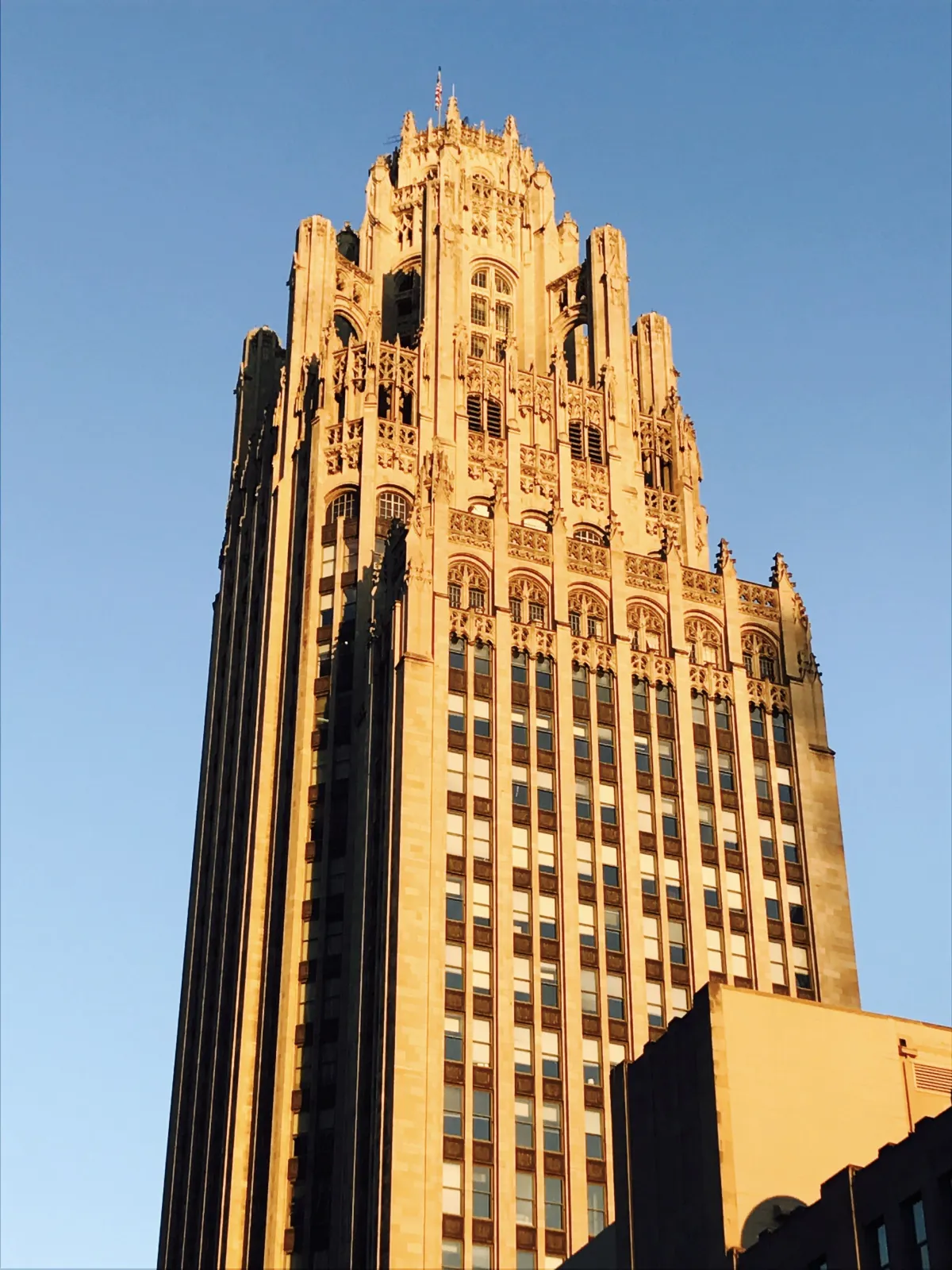 Photo: Chicago Tribune, via i.pinimg.com
Today, weekend consumer spending generates over $400 billion annually in the U.S. economy. Americans take their two-day weekends so completely for granted that most assume they're natural human rights, not the calculated invention of a man who wanted families to spend more money on coffins.
The next time you're enjoying a Saturday off, remember: you're not experiencing the victory of worker solidarity. You're living inside the most successful sales strategy in American history.