The Business Born from Battlefield Tragedy
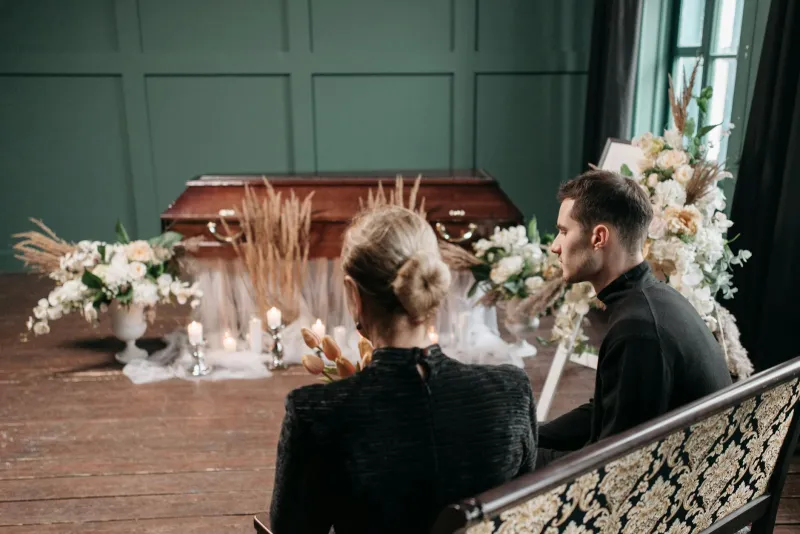
Walk into any American funeral home today and you'll witness something that would have shocked your ancestors: a body preserved for weeks, displayed in a casket for viewing, surrounded by flowers and formal ceremonies. This elaborate ritual feels ancient and traditional, but it's actually younger than the telephone. Before the Civil War, most Americans had never seen an embalmed body.
The transformation happened almost overnight, born from a uniquely American crisis that no other nation had faced on such a massive scale.
When Death Traveled by Train
In 1861, when the first shots of the Civil War rang out at Fort Sumter, American families faced an unprecedented problem. For the first time in history, large numbers of men were dying hundreds or thousands of miles from home. Previous wars had been fought closer to population centers, or casualties were buried where they fell.
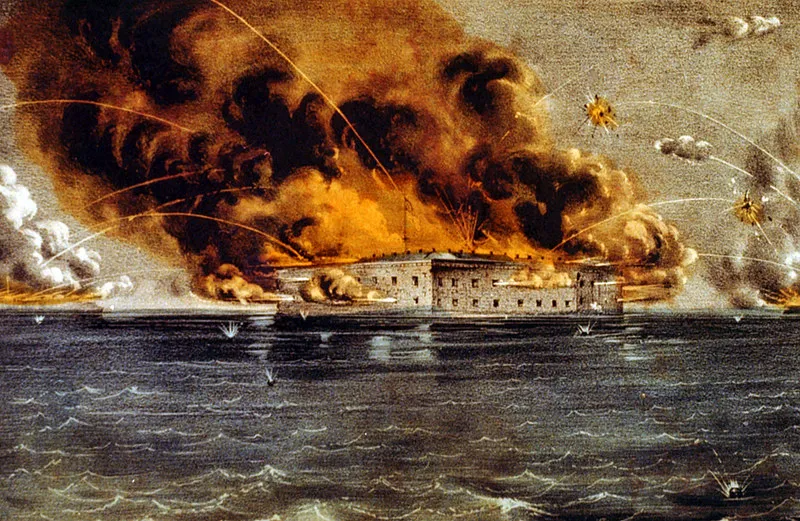 Photo: Fort Sumter, via live.staticflickr.com
But this war was different. Railroad networks meant families could theoretically retrieve their loved ones. Telegraph systems meant they could learn of deaths quickly. Suddenly, grieving families in Massachusetts were demanding the return of sons who had died in Virginia. Parents in Ohio wanted their boys brought home from Tennessee.
The problem was obvious: how do you ship a body 500 miles in summer heat without refrigeration?
Dr. Holmes and His Controversial Solution
Enter Dr. Thomas Holmes, a eccentric physician who had been experimenting with arterial embalming techniques he'd learned from European anatomists. Before the war, embalming was used exclusively for medical dissection—a practice most Americans found disturbing and ungodly.
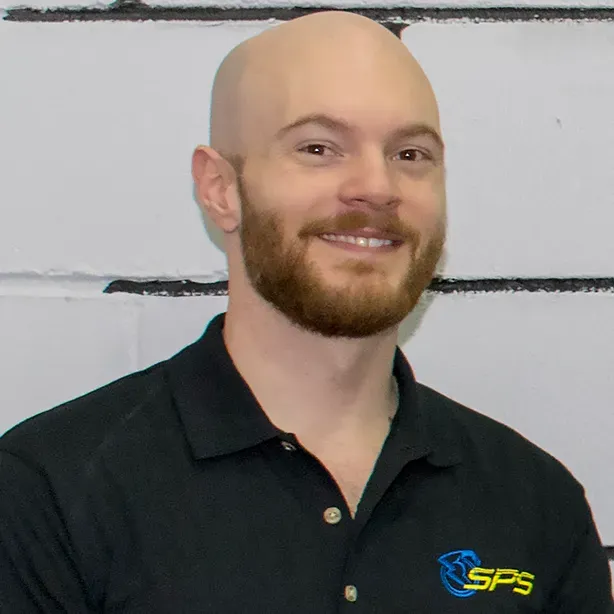 Photo: Dr. Thomas Holmes, via cdcssl.ibsrv.net
But Holmes saw opportunity in tragedy. In 1861, he approached the War Department with a proposal: for $100 per body (roughly $3,000 today), he would preserve fallen officers so they could be shipped home for burial.
The technique was revolutionary for its time. Holmes would drain the blood from the corpse and replace it with arsenic-based preservative fluids. The process took several hours but could preserve a body for weeks, long enough for railroad transport across the continent.
Lincoln's Son Changes Everything
The practice might have remained a wartime necessity if not for a single, highly visible death in 1862. When President Lincoln's 11-year-old son Willie died of typhoid fever, Mary Todd Lincoln was devastated. She insisted on an open-casket funeral, and the body was embalmed to ensure Willie looked peaceful for the viewing.
Newspapers across the country covered Willie Lincoln's funeral in detail, describing how "natural" and "peaceful" the boy appeared. For millions of Americans, this was their first exposure to modern embalming. If it was good enough for the President's son, perhaps it wasn't the ghoulish practice they'd imagined.
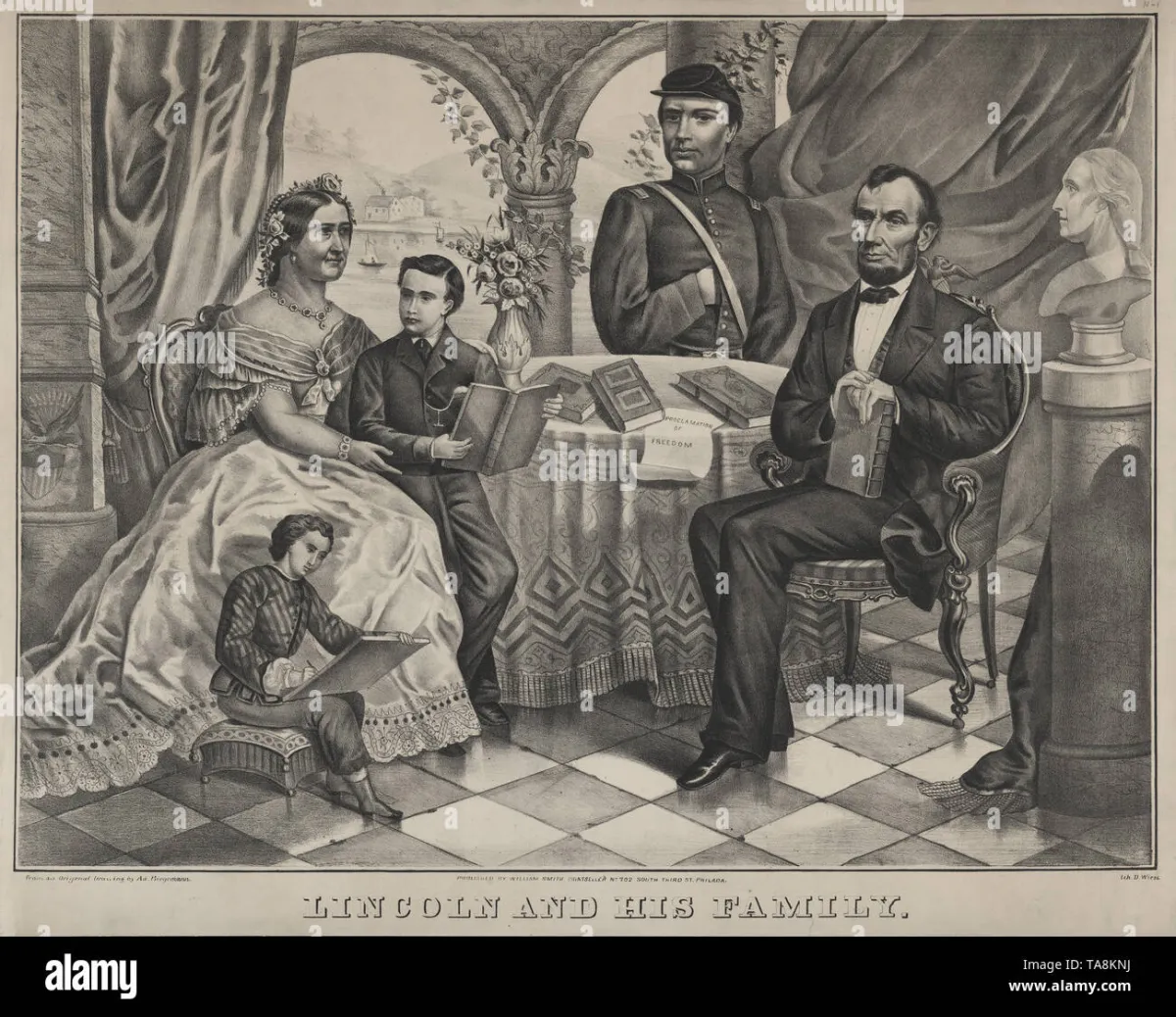 Photo: Willie Lincoln, via c8.alamy.com
The Entrepreneurial Undertakers
By 1863, entrepreneurs were setting up embalming stations near major battlefields. These weren't medical professionals—they were businessmen who had learned basic preservation techniques and saw profit in grief.
The industry's growth was staggering. In 1860, fewer than a dozen Americans made their living as embalmers. By 1865, there were over 2,000 practicing across the country. They advertised in newspapers, promising families that their loved ones would "appear as natural as life" for funeral services.
What's remarkable is how quickly these wartime entrepreneurs transformed their emergency service into a peacetime industry. They began marketing embalming not as a necessity for long-distance transport, but as a way to honor the dead and provide "closure" for grieving families.
The Grief Merchants' New Message
After the war ended, the embalming industry faced a challenge: how do you sell a wartime necessity to peacetime customers? Their solution was brilliant marketing that redefined American attitudes toward death.
Undertakers began promoting embalming as a sign of respect and love. They argued that viewing the deceased provided psychological benefits for mourners. They introduced elaborate funeral ceremonies that stretched over several days, requiring preservation. They even suggested that quick burial was somehow undignified or rushed.
By 1880, trade publications were coaching funeral directors on sales techniques: "Suggest to the family that a viewing allows distant relatives time to travel for the service. Emphasize the peaceful appearance that proper preparation provides. Remind them that this may be their last opportunity to see their loved one."
How Marketing Became Tradition
The transformation was remarkably successful. Within a generation, practices that had been emergency wartime measures became "traditional" American funeral customs. The week-long delay between death and burial? That was to accommodate embalming and travel. Open-casket viewings? A way to showcase the embalmer's work while providing "closure." Elaborate funeral homes? Necessary to house bodies during the extended preparation period.
By 1920, what had been a $2 million wartime industry had grown into a $200 million peacetime business. American funerals had become elaborate, expensive affairs that could last a week or more—a stark contrast to the simple, quick burials that had been the norm just 60 years earlier.
The Billion-Dollar Legacy
Today, the American funeral industry generates over $20 billion annually, built almost entirely on practices that began as Civil War logistics solutions. The average American funeral costs more than $7,000 and involves preservation techniques that Dr. Holmes would recognize.
Most Americans still don't realize how recent these "traditions" actually are. The elaborate funeral customs that feel deeply rooted in American culture are actually commercial innovations from the 1860s, marketed by entrepreneurs who saw profit in the nation's grief.
Every time someone says "it's what grandpa would have wanted" about an open-casket viewing, they're unknowingly referencing a business model created by Civil War profiteers. The funeral "traditions" that comfort millions of Americans each year began as a shipping solution for a nation at war with itself.
The entrepreneurs who solved a wartime logistics problem accidentally created customs that now feel as American as baseball—and just as profitable.