The Workshop That Almost Ended Everything
In the summer of 1958, Ole Kirk Christiansen watched his life's work disappear in flames. The fire that consumed his Danish toy workshop didn't just destroy buildings—it incinerated decades of wooden toy designs, forcing a desperate carpenter into an experiment with plastic that would accidentally create America's most enduring childhood obsession.
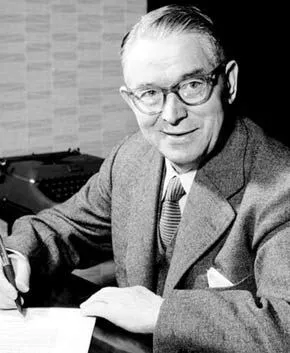 Photo: Ole Kirk Christiansen, via alchetron.com
Christiansen had been making wooden toys since 1932, crafting everything from pull-along ducks to miniature cars in the small town of Billund, Denmark. His company name, LEGO, came from the Danish phrase "leg godt"—"play well." But after the fire, playing well seemed like an impossible dream. Insurance barely covered the losses, and rebuilding meant starting from scratch.
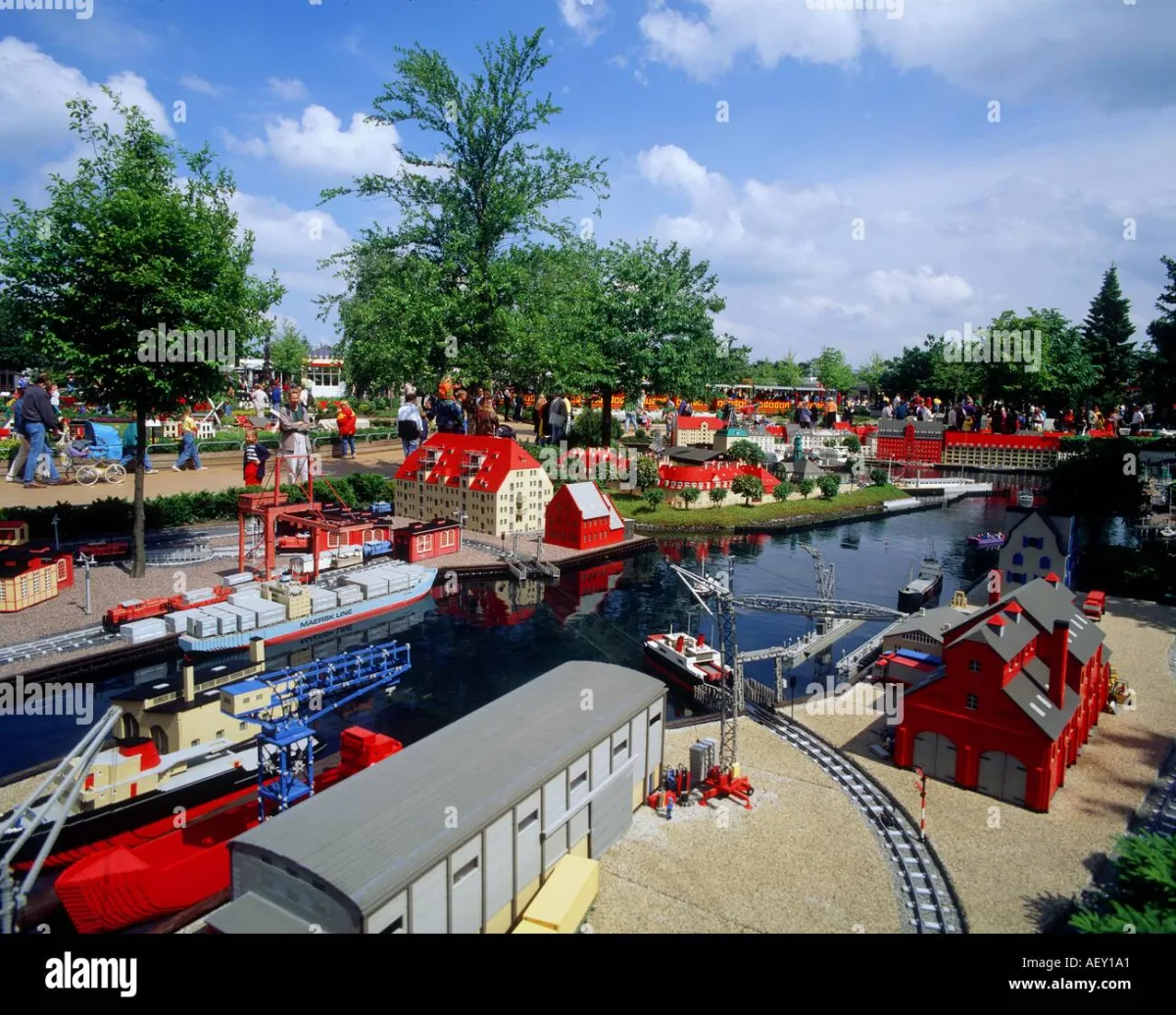 Photo: Billund, Denmark, via c8.alamy.com
The British Patent Nobody Wanted
Faced with financial ruin, Christiansen made a radical decision: abandon wood entirely and bet everything on plastic injection molding. It was 1958, and plastic toys were still viewed with suspicion by American parents who preferred traditional materials. But Christiansen had discovered something intriguing—a forgotten 1947 British patent for interlocking plastic bricks.
The patent belonged to Hilary "Harry" Fisher Page, a British inventor whose "Kiddicraft Self-Locking Bricks" had flopped spectacularly in the UK market. Page's design featured hollow rectangular blocks with studs on top and tubes underneath, allowing them to stick together. British toy stores had rejected them as "too complicated" and "not fun enough."
 Photo: Hilary "Harry" Fisher Page, via www.thetimes.com
Christiansen saw potential where others saw failure. He licensed Page's design and began experimenting, but his first attempts were disasters. The plastic was too brittle, the clutch power—the ability of bricks to stay together—was inconsistent, and American toy distributors were openly skeptical.
The Refinement That Changed Everything
The breakthrough came in 1958 when Christiansen's son Godtfred made a crucial modification to Page's original design. Instead of simple tubes, he added internal ribs and adjusted the tolerances to create what LEGO engineers now call "clutch power"—the precise amount of force needed to connect and disconnect bricks.
This wasn't just engineering; it was psychology. The connection had to be strong enough that structures wouldn't fall apart accidentally, but easy enough that a six-year-old could take them apart without frustration. Getting this balance right required hundreds of prototypes and nearly bankrupted the company.
American toy buyers remained unconvinced. At the 1958 New York Toy Fair, major retailers passed on LEGO entirely. Toys"R"Us founder Charles Lazarus reportedly called them "expensive plastic junk" and predicted they'd never catch on with American kids who preferred action figures and model trains.
The Slow Conquest of America
LEGO's American breakthrough came not through major retailers but through small specialty toy stores willing to take risks. The first significant order came from a toy shop in Boston whose owner noticed kids playing with the display model for hours, completely absorbed in building and rebuilding.
Word spread slowly through the tight-knit community of American toy store owners. By 1961, LEGO had established a small but devoted following among American families, particularly those who valued educational toys over pure entertainment.
The company's obsessive attention to quality—a direct result of those early near-failures—became its greatest asset. Every LEGO brick manufactured today still connects perfectly with bricks made in 1958, a consistency that stems from Christiansen's determination to never again face the kind of total loss he experienced in that workshop fire.
The Philosophy Born from Disaster
That original disaster shaped more than just LEGO's products—it created a company philosophy that still drives every design decision today. The fire taught Christiansen that toys needed to be built to last, both physically and emotionally. Children had to be able to build, destroy, and rebuild without losing interest.
This philosophy explains why LEGO has resisted countless trends that have swept through the American toy industry. While competitors chased electronic features and licensed characters, LEGO remained focused on the simple act of building—a focus that traces directly back to a Danish carpenter's desperate gamble with plastic after losing everything to fire.
Today, the average American child owns 300 LEGO bricks, and the company produces about 24 billion bricks annually. All because a workshop fire forced a traditional toymaker to embrace a "failed" British patent and refine it into something that would capture imaginations for generations.