The Intersection of Death
In 1920, the corner of Michigan and Woodward in Detroit was killing people. Not metaphorically—literally. The intersection saw multiple accidents every week as drivers barreled through the primitive two-color traffic signals that had been borrowed from railroad crossings. Red for stop, green for go, and absolutely nothing to warn drivers that the light was about to change.
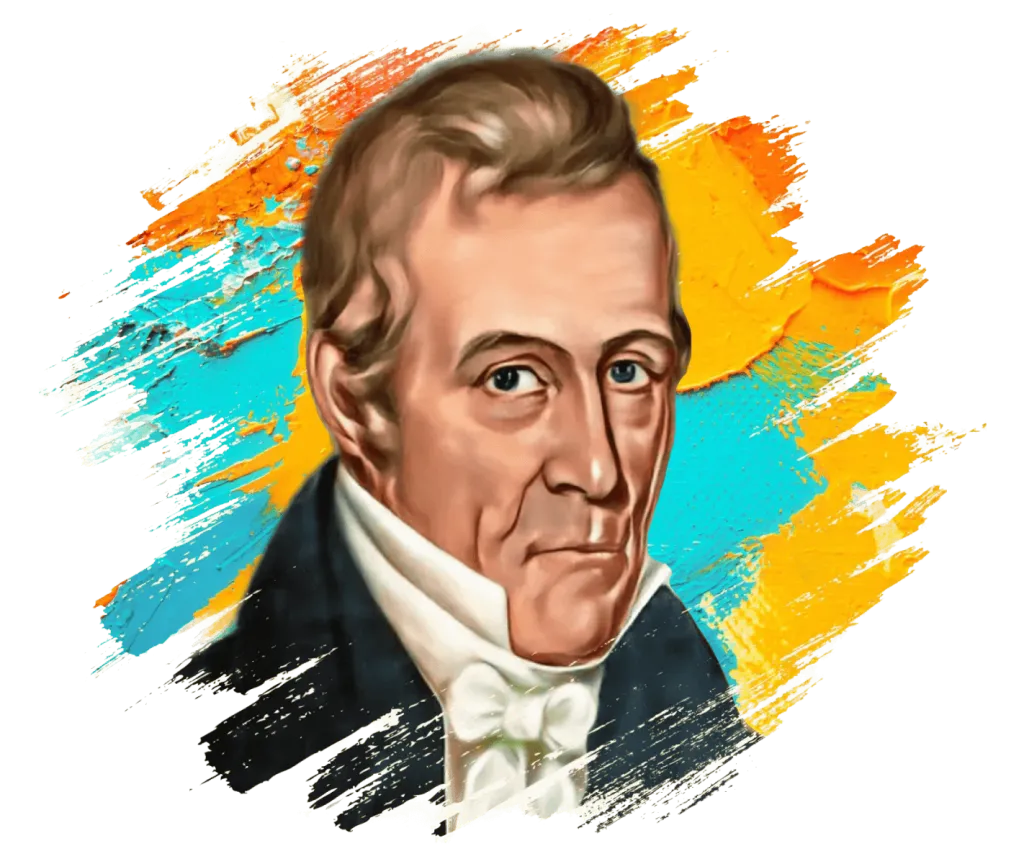 Photo: Michigan and Woodward, via www.woodwardtrust.org
Police Officer William Potts was tired of scraping bodies off the pavement. But he wasn't a traffic engineer or city planner. He was just a beat cop with a problem and four dollars burning a hole in his pocket.
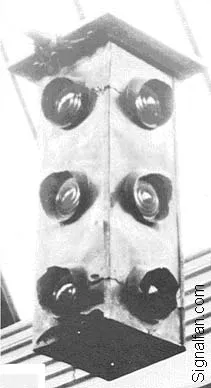 Photo: William Potts, via www.trafficsignalmuseum.com
When Traffic Lights Were Death Traps
The early 1920s were the Wild West of American traffic management. Cars were multiplying faster than anyone knew how to control them. Detroit's population had exploded from 285,000 in 1900 to over 993,000 by 1920, largely thanks to Henry Ford's assembly lines. Suddenly, intersections designed for horse-drawn carriages were handling thousands of automobiles daily.
The traffic signals of 1920 were brutally simple: red and green lights that switched without warning. Drivers approaching an intersection had no idea whether the light might change in the next second or the next minute. The result was predictable chaos.
Drivers would gun their engines to beat red lights. Others would slam on brakes when they saw the color change, causing rear-end collisions. Pedestrians couldn't time their crossings. The two-color system that worked fine for trains—which could see signals from miles away—was a disaster for cars traveling at street-level speeds.
The Frustrated Cop's Lightbulb Moment
Officer Potts had worked that deadly intersection for months, writing accident reports and directing traffic by hand during the busiest periods. He noticed something: most crashes happened not during red or green phases, but during the split second when lights changed color.
Drivers needed warning. They needed time to react. But the city had no budget for traffic improvements, and the primitive electrical systems of 1920 weren't designed for complex signaling.
That's when Potts remembered something from his previous job working for the railroad: train signals used yellow lights as caution indicators. Railroad engineers had figured out decades earlier that you couldn't safely go from "full speed ahead" to "stop immediately" without an intermediate warning.
The Hardware Store Solution
On his day off, Potts walked into a local hardware store with four dollars and a plan. He bought colored light bulbs, basic electrical wire, and a simple timer mechanism. His goal was modest: create a warning system for one intersection using equipment he could afford on a police officer's salary.
Working in his basement, Potts wired together what would become the world's first three-color traffic signal. Red for stop, green for go, and yellow for caution. The timing was crucial—yellow had to last long enough for drivers to react, but not so long that they'd ignore it.
After several nights of tinkering, Potts had created a device that could be installed on existing signal poles. The yellow light would illuminate for exactly five seconds before switching to red, giving drivers enough time to safely stop or proceed through the intersection.
The Unauthorized Installation
Here's where the story gets interesting: Potts never asked permission. On a quiet Sunday morning in October 1920, he simply installed his homemade three-color signal at the Michigan and Woodward intersection. No city approval, no engineering studies, no bureaucratic process.
By Monday morning, Detroit drivers were experiencing something they'd never seen before: a traffic light that warned them when it was about to change. The yellow light gave them five seconds to make a decision, transforming a deadly guessing game into a predictable system.
The results were immediate and dramatic. Accident reports at that intersection dropped by more than 60% within the first month. Word spread quickly through Detroit's police department, and other officers began requesting Potts' invention for their own problem intersections.
How Detroit Accidentally Set the Global Standard
Within six months, Potts had installed over two dozen of his three-color signals across Detroit. The city government, initially skeptical of the unauthorized installations, couldn't argue with the safety results. They officially adopted Potts' design and began mass-producing the signals.
By 1923, cities across America were copying Detroit's three-color system. Traffic engineers from New York to Los Angeles traveled to Detroit to study Potts' invention. International delegations examined the signals and brought the concept back to Europe and Asia.
What's remarkable is how little the basic design has changed. Modern traffic lights use LED bulbs instead of incandescent, computer-controlled timing instead of mechanical switches, and sophisticated sensors instead of simple timers. But the core concept—red, yellow, green in that exact sequence—remains unchanged from Potts' basement workshop.
The Patent He Never Filed
Potts never sought a patent for his invention. He never tried to profit from the idea that would eventually save millions of lives worldwide. When asked about it years later, he said he was just trying to solve a problem at his intersection, not revolutionize global traffic management.
This decision cost him enormous potential wealth. By 1930, traffic signal manufacturing had become a multi-million-dollar industry. Companies like General Electric and Westinghouse were producing thousands of three-color signals annually, all based on the design that Potts had created for four dollars.
Meanwhile, Potts continued working as a Detroit police officer, retiring in 1960 after 40 years of service. He received no royalties, no recognition from the traffic signal industry, and no compensation for creating one of the most important safety innovations in automotive history.
The Legacy of Four Dollars
Today, there are over 330,000 traffic signals operating in the United States, and millions more worldwide. Every single one uses William Potts' three-color system. Traffic engineers estimate that the yellow caution light prevents over 600,000 accidents annually in America alone.
The five-second warning that Potts built into his original design remains the global standard. Whether you're stopping at a light in downtown Detroit, rural Montana, or downtown Tokyo, you're experiencing the exact timing sequence that a frustrated police officer created in his basement over a century ago.
Modern traffic management involves artificial intelligence, real-time data analysis, and coordination systems that would seem like magic to 1920s drivers. But at its core, every traffic light in the world still operates on the principle that Officer Potts discovered: people need warning before they need to stop.
The four-dollar investment that Potts made in a Detroit hardware store has prevented more deaths than any other single traffic safety innovation in history. Not bad for a beat cop who just wanted fewer accident reports to write.