How a Chef's Moment of Spite Gave America Its Most Beloved Snack
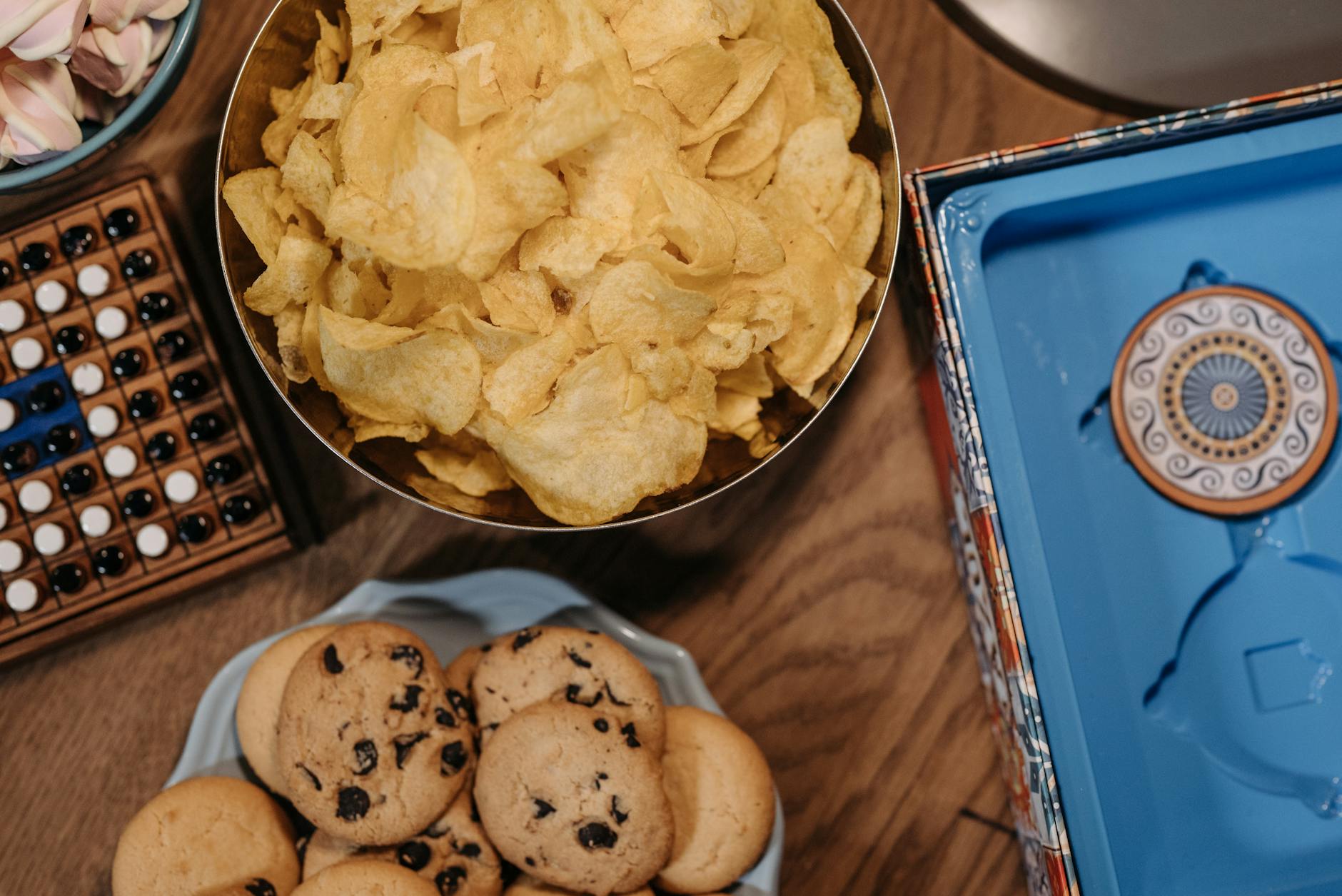
How a Chef's Moment of Spite Gave America Its Most Beloved Snack
Every year, Americans eat roughly 1.85 billion pounds of potato chips. They show up at Super Bowl parties, gas station counters, school lunchboxes, and late-night couches across the country. The chip is so deeply woven into American snacking culture that it barely registers as a choice anymore — it's just there, always available, always expected.
But here's what almost nobody knows: the potato chip wasn't the result of careful culinary development or deliberate food science. It was an act of kitchen revenge that got completely out of hand.
The Customer Who Complained Once Too Often
The year was 1853. The place was Moon's Lake House, an upscale resort restaurant in Saratoga Springs, New York — a fashionable destination for wealthy vacationers at the time. The chef was George Crum, a cook of Native American and African American heritage who had built a strong reputation for his food.
On one particular evening, a diner — often identified in historical accounts as a notably demanding guest, with some versions of the story naming railroad magnate Cornelius Vanderbilt, though that detail is disputed — sent back an order of fried potatoes. The complaint? Too thick. Too soggy. Not crispy enough.
Crum sent out a thinner batch. They came back again. Still not right.
At this point, most chefs would have quietly adjusted the recipe and moved on. Crum was not most chefs. According to the story that has been passed down for over 170 years, he decided to make a point. He sliced the potatoes so impossibly thin that no fork could spear them, fried them until they were brittle, and salted them heavily — essentially making something he expected the customer to find ridiculous and uneatable.
The customer loved them.
From Kitchen Grudge to Regional Sensation
What Crum had created — whether intentionally as a culinary statement or accidentally as a failed act of sabotage, depending on how you read the story — was something genuinely new. The ultra-thin, crispy, salted potato slice was unlike anything being served in American restaurants at the time.
Word spread quickly. Guests at Moon's Lake House started requesting them specifically. Crum, ever the entrepreneur, eventually opened his own restaurant in 1860 and reportedly placed a basket of the chips on every table as a signature touch. They became known locally as "Saratoga Chips," a name that stuck in the northeastern United States for decades.
For a while, chips remained a regional delicacy — the kind of thing you'd encounter at a nice restaurant in upstate New York, not something the average American household could access. The process of making them was labor-intensive and entirely manual. Thin, consistent slices required skill and patience, and the chips didn't travel well or stay fresh for long.
The Invention That Scaled Everything
The chip's transformation from restaurant novelty to mass-market snack came down to one key development: the mechanical potato peeler, which became widely available in the early twentieth century. Suddenly, producing chips at scale became economically viable. Small manufacturers began packaging and selling them, and the product started moving into grocery stores.
By the 1920s, companies like Lay's — founded by traveling salesman Herman Lay, who sold chips out of his car trunk across the South — were beginning to build what would eventually become a national industry. The introduction of wax paper bags extended shelf life and made distribution over longer distances practical for the first time.
Flavor innovation followed. Plain salted chips dominated for years, but by the mid-twentieth century, manufacturers were experimenting with barbecue seasoning, sour cream and onion, and eventually the almost endless variety of flavors that lines store shelves today.
A $10 Billion Industry Born From Frustration
The US potato chip industry is now worth over $10 billion annually. Frito-Lay alone — the Pepsi-owned conglomerate that controls a massive share of the American snack market — sells chips in virtually every corner of the country. The Super Bowl is now one of the single biggest sales events in the snack food calendar.
George Crum, for his part, never patented his creation and never profited from the industry it spawned. His name largely faded from the mainstream story of the chip for much of the twentieth century, though food historians have worked to restore his place in the origin narrative.
What makes the potato chip's origin so genuinely compelling isn't just the accidental nature of it — it's how human it is. No research budget. No product development team. Just a skilled cook who had been pushed one complaint too far, and a split-second decision that changed American snacking forever.
Next time you hear that familiar crinkle of a chip bag opening, you're hearing the distant echo of a kitchen dispute from 1853 that never quite got resolved.