The Color That Won't Commit
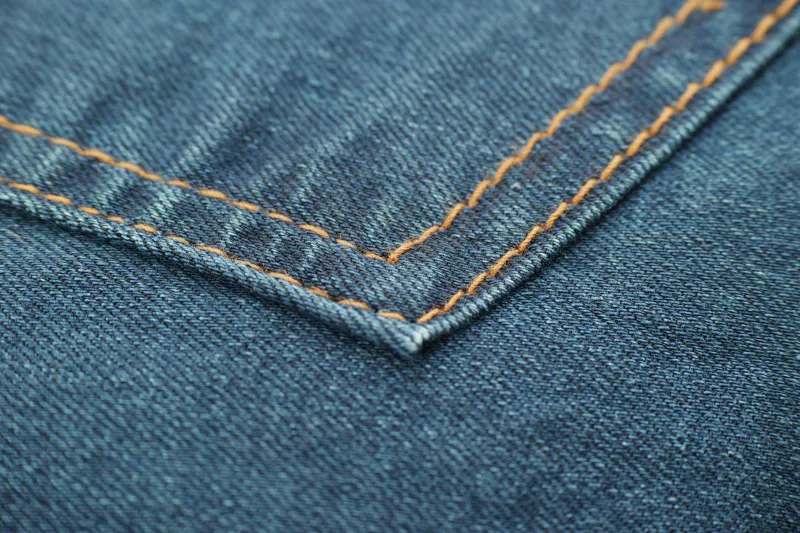
Every pair of jeans tells the same story through its fading pattern: darker creases where the fabric bends, lighter patches where it rubs against surfaces, and that distinctive worn look that develops over months of wear. This isn't planned obsolescence or clever marketing — it's the result of a dyeing process so old and seemingly flawed that most textile manufacturers have spent centuries trying to improve it.
Indigo, the deep blue compound that gives denim its signature color, has been frustrating dyers for over 4,000 years. Unlike almost every other fabric dye, indigo refuses to chemically bond with cotton fibers. Instead, it merely coats the outside of each thread, creating a beautiful but temporary relationship that begins deteriorating the moment you put the jeans on.
The Ancient Chemistry of Impermanence
The indigo dyeing process reads like a medieval alchemy recipe. Natural indigo starts as a plant — primarily Indigofera tinctoria in Asia or Isatis tinctoria (woad) in Europe. The leaves must be fermented in alkaline water, creating a yellowish liquid that turns blue only when exposed to oxygen. Fabric dipped in this solution emerges yellow-green, then magically transforms to blue as air hits it.
This dramatic color-changing process captivated ancient civilizations, but the chemistry behind it created a fundamental problem. Indigo molecules are too large to penetrate deep into cotton fibers. They cluster on the surface, held in place by weak physical forces rather than strong chemical bonds. Every wash, every movement, every brush against a surface gradually strips away these loosely attached color particles.
When 'Inferior' Became Iconic
For most of textile history, indigo's inability to create permanent color was considered a serious defect. Medieval European dyers preferred madder red and other plant dyes that bonded permanently with fabric. Indigo was often relegated to cheaper garments or used only when other dyes weren't available.
This changed in the American West during the California Gold Rush. Bavarian immigrant Levi Strauss needed durable work pants for miners, and indigo-dyed cotton twill was both affordable and readily available. The fact that the color faded wasn't a selling point — it was simply accepted as the trade-off for sturdy, inexpensive workwear.
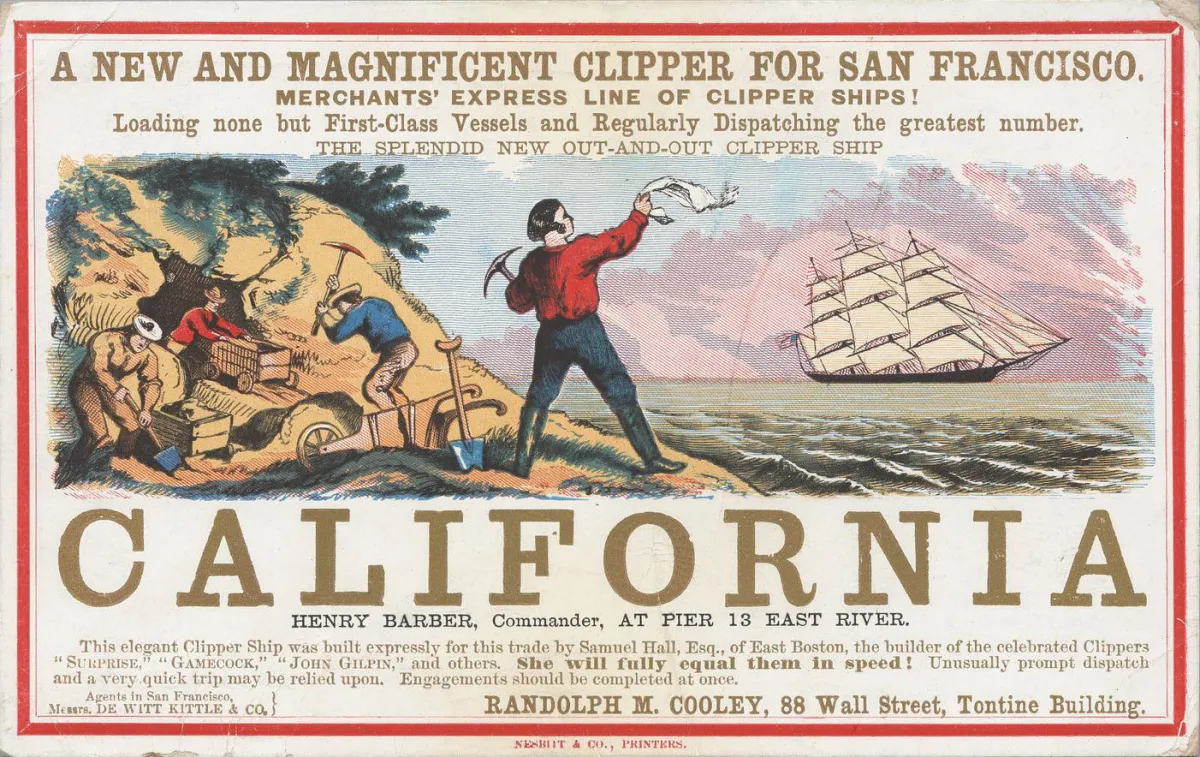 Photo: California Gold Rush, via www.geologyforinvestors.com
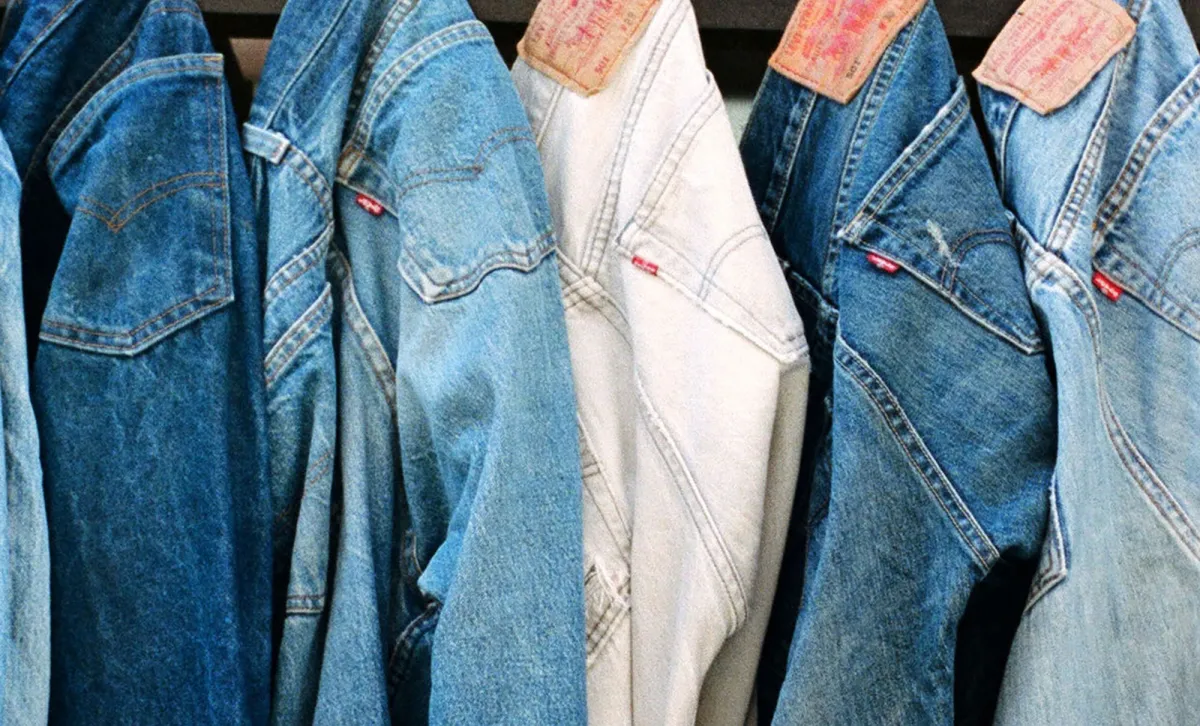 Photo: Levi Strauss, via www.levistrauss.com
The Accidental Aesthetic Revolution
Something unexpected happened as those early work pants aged in the dusty mining camps of California. The fading pattern that emerged told a story — darker lines where tool belts rubbed, lighter patches on the thighs from kneeling, unique wear patterns that reflected each worker's daily routine. What textile chemists had long considered a flaw was creating something unprecedented: clothing that became more personal and visually interesting with use.
By the early 1900s, this aging process had become part of denim's appeal. Cowboys, railroad workers, and factory employees began to prize their well-worn jeans not despite the fading, but because of it. The pants became a canvas documenting their owner's life and work.
The Science of Every Fade
Modern textile analysis reveals why indigo fading creates such distinctive patterns. The dye penetrates only the outer layers of each cotton fiber, typically reaching just 10-15% of the way to the core. As the fabric flexes and rubs, these outer layers gradually wear away, exposing the undyed white cotton underneath.
The fading follows predictable physics: areas of high stress and friction lose color fastest, while protected creases retain their original darkness. Knees fade from walking, back pockets fade from sitting, and hem edges lighten from dragging against shoes. Each pair of jeans becomes a unique map of its owner's movements and habits.
From Work Uniform to Cultural Symbol
The transformation of indigo's 'defect' into denim's defining characteristic reflects a broader shift in American culture. During the 1950s and 60s, as jeans moved from workwear to casual fashion, the fading process became a symbol of authenticity and rebellion against mass-produced uniformity.
Hollywood amplified this appeal. When James Dean wore faded jeans in "Rebel Without a Cause," he wasn't making a fashion statement — he was showcasing clothing that looked lived-in and real. The impermanent indigo that had frustrated dyers for millennia suddenly represented everything that mass-produced, perfectly uniform clothing wasn't.
 Photo: James Dean, via m.media-amazon.com
Engineering the Unengineerable
Today's denim industry spends millions trying to artificially recreate what indigo naturally does over time. Stone washing, acid treatments, sandblasting, and laser distressing all attempt to simulate the organic fading patterns that develop through normal wear. These processes exist entirely because indigo's ancient 'flaw' has become denim's most valued characteristic.
The irony is complete: modern technology works overtime to replicate a dyeing defect that medieval craftsmen would have considered a failure. The color that won't stay put has become the foundation of a global industry worth over $90 billion annually.
The Enduring Appeal of Imperfection
Indigo's refusal to permanently bond with cotton created something that modern manufacturing rarely achieves: a product that improves with use. In an era of planned obsolescence and disposable fashion, jeans offer the opposite experience — clothing that becomes more valuable, more personal, and more beautiful as it ages.
The next time you notice your jeans fading, remember that you're witnessing a 4,000-year-old chemical process that textile experts once considered a serious defect. That imperfect medieval dye, which couldn't do what every other colorant could do, accidentally created the visual signature of American style. Sometimes the best innovations come not from perfecting existing processes, but from embracing their flaws.