The Chocolate Nobody Was Supposed to Enjoy
In 1937, the U.S. Army approached Milton Hershey with an unusual request: create a chocolate bar so unappetizing that soldiers would only eat it in genuine emergencies. The military's logic was brutally practical — if emergency rations tasted too good, troops would consume them for pleasure rather than saving them for life-or-death situations.
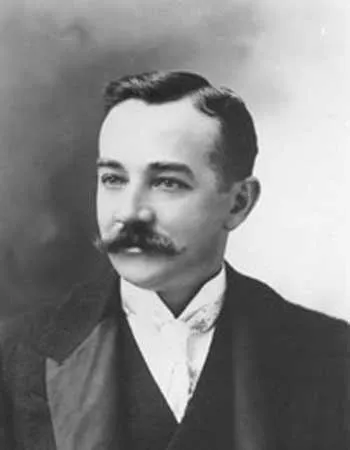 Photo: Milton Hershey, via hersheystory.org
Hershey accepted the challenge and delivered exactly what the Army ordered: Field Ration D, a 4-ounce chocolate bar that soldiers universally described as tasting like "bitter chalk" or "sweetened cardboard." The bar was designed to withstand extreme temperatures without melting, provide 600 calories of emergency nutrition, and taste just barely better than starvation. Mission accomplished — but the consequences would reshape America's entire candy industry.
Engineering Unpleasantness
Creating deliberately bad chocolate required genuine innovation. Hershey's food scientists had to solve contradictory problems: make chocolate that wouldn't melt in tropical heat but would still be chewable, pack maximum calories into minimum weight, and ensure it remained edible after months of storage — all while making it taste terrible enough to discourage casual consumption.
The solution was a dense, bitter formula containing chocolate liquor, sugar, oat flour, and cocoa fat, but almost no milk or additional sweeteners. The mixture was compressed under enormous pressure to remove air pockets and create a bar hard enough to survive being dropped from aircraft or carried through jungle warfare. The result was nutritionally effective and practically indestructible, but eating one was described by soldiers as "a chore."
Mass Production Meets Military Demand
What nobody anticipated was the sheer scale of production required. As America entered World War II, the military ordered millions of D bars — far more chocolate than had ever been manufactured by a single company. Hershey had to completely reimagine industrial chocolate production, building new factories, developing automated production lines, and creating quality control systems that could handle unprecedented volume.
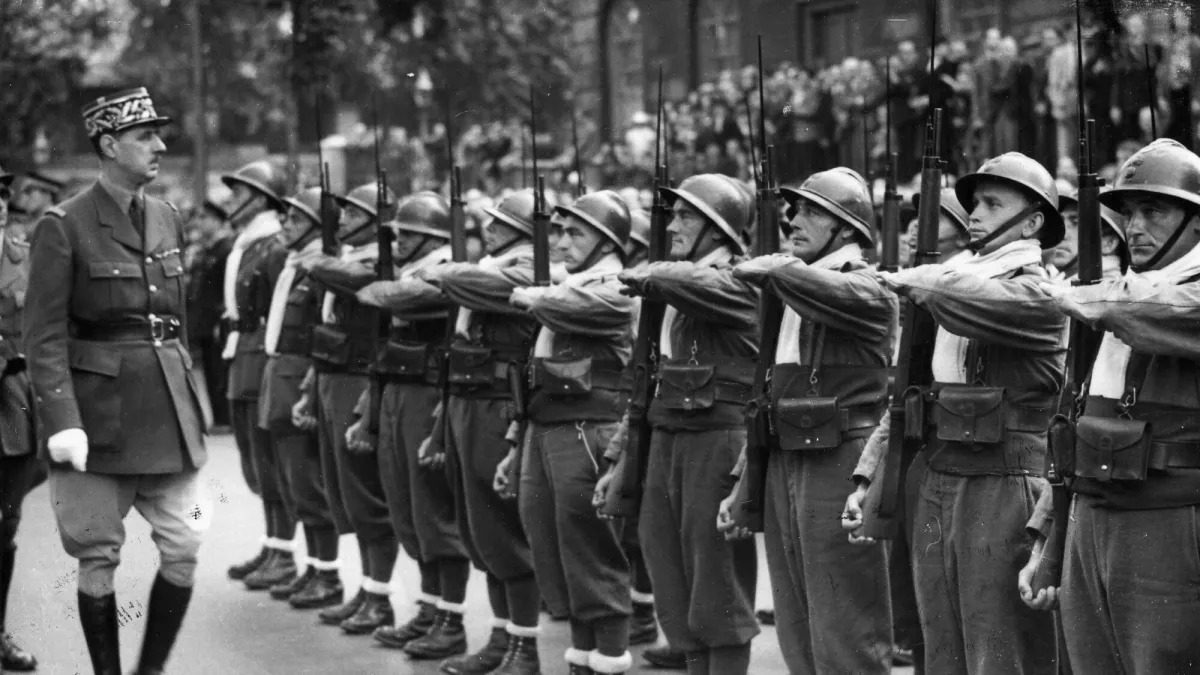 Photo: World War II, via warfarehistorynetwork.com
The company produced over 3 billion D bars during the war, along with a slightly improved version called the Tropical Bar for Pacific theater operations. This massive production effort required Hershey to solve logistical challenges that had never existed in peacetime candy manufacturing: how to source ingredients during rationing, how to maintain consistency across multiple factories, and how to package products for extreme conditions.
The Accidental Infrastructure Revolution
Building the capacity to produce military chocolate rations created something unexpected: the first truly national chocolate distribution network in American history. Hershey had to establish supply chains reaching every corner of the country, develop relationships with ingredient suppliers nationwide, and create transportation systems capable of moving massive quantities of finished product.
When the war ended in 1945, this infrastructure didn't disappear — it became the foundation for America's post-war candy boom. The production techniques developed for military rations could easily be adapted to civilian products. The distribution networks built to supply troops could just as effectively stock grocery stores and candy shops across America.
From Survival Food to Candy Aisle Domination
Returning veterans had complex relationships with military chocolate. Most remembered D bars as barely edible survival food, but they also associated chocolate with safety, comfort, and making it through impossible situations. This psychological connection, combined with Hershey's massively expanded production capacity, created perfect conditions for a post-war chocolate explosion.
Hershey pivoted quickly from military contracts to civilian products, using the same mass production techniques to create affordable candy bars for a population with newfound prosperity and sweet cravings. The company's wartime experience with large-scale manufacturing allowed them to produce chocolate more efficiently and cheaply than ever before, making candy accessible to working-class families for the first time.
The Sweet Science of Mass Appeal
The technical innovations forced by military requirements revolutionized civilian chocolate manufacturing. Wartime research into shelf-stable chocolate led to better tempering processes, improved packaging materials, and more consistent quality control. The need to create products that could survive extreme conditions resulted in manufacturing techniques that made everyday candy bars more durable and longer-lasting.
Perhaps most importantly, the military's emphasis on standardization taught American chocolate manufacturers how to create products with identical taste and texture across millions of units. This consistency became a hallmark of American candy, distinguishing it from European chocolates that varied significantly between batches.
Cultural Impact Beyond the Candy Counter
The D bar's legacy extended far beyond chocolate manufacturing. The project demonstrated that American industry could rapidly scale production to meet enormous demands — a lesson that influenced everything from automobile manufacturing to electronics production in the post-war boom. The collaboration between military requirements and civilian industry became a model for future innovations.
More subtly, the mass production of chocolate during wartime helped establish candy as a standard part of the American diet rather than an occasional luxury. The infrastructure built to feed soldiers chocolate became the system that made candy bars available in every grocery store, gas station, and vending machine across the country.
The Irony of Success Through Failure
The most remarkable aspect of the D bar story is how a product designed to be barely edible ended up revolutionizing America's relationship with sweets. The military's insistence on creating unpleasant chocolate forced innovations that made all subsequent chocolate production more efficient, more consistent, and more widely available.
Today, when you grab a candy bar from any store in America, you're benefiting from manufacturing and distribution systems originally designed to produce deliberately awful emergency rations. The chocolate nobody was supposed to enjoy created the infrastructure that made chocolate enjoyable for everyone.
The D bar itself disappeared from military use by the 1950s, replaced by more palatable alternatives. But its impact on American candy manufacturing proved permanent, demonstrating that sometimes the most transformative innovations come from solving problems nobody wants to have.