The Great Bartender Exodus
On January 16, 1920, when the 18th Amendment officially banned alcohol across America, thousands of professional bartenders suddenly found themselves unemployed overnight. What happened next would accidentally create the most sophisticated drinking culture the world had ever seen.
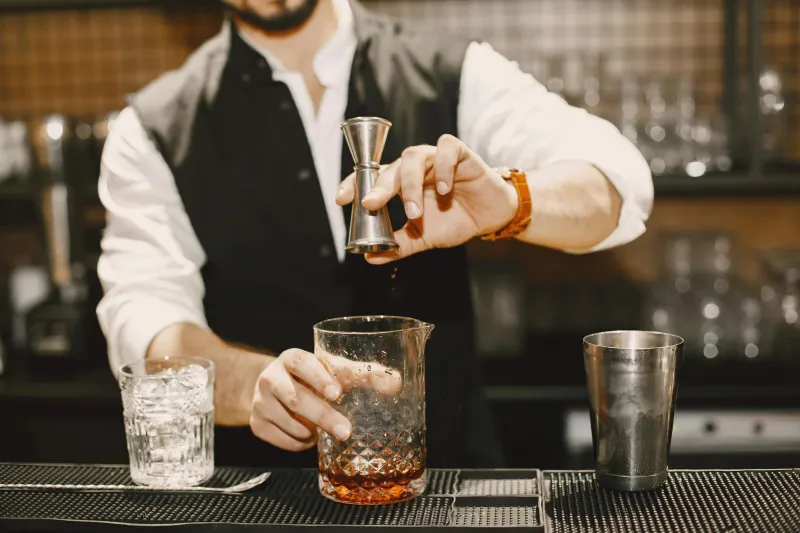
While most Americans think Prohibition killed cocktail culture, the opposite actually happened. The ban triggered a massive exodus of skilled bartenders to places where alcohol remained legal—Cuba, Paris, London, and other international hotspots. These weren't just any bartenders; they were America's most talented mixologists, forced to pack their shakers and flee their homeland.
Learning From the Masters in Havana
Cuba became the unofficial headquarters of exiled American bartenders. Havana's legendary bars like El Floridita and La Bodeguita del Medio welcomed these refugees with open arms. Here, American bartenders encountered something they'd never seen before: a sophisticated cocktail tradition that had been developing for decades.
Cuban bartenders had perfected the art of balancing rum with fresh tropical fruits, creating drinks that were both complex and refreshing. They taught Americans about muddling fresh mint, the importance of using quality ice, and how to properly layer flavors. The famous Mojito and Daiquiri weren't just drinks—they were masterclasses in technique.
Meanwhile, in Paris, American bartenders discovered the French approach to aperitifs and digestifs. They learned about vermouth, absinthe (when available), and the European tradition of savoring drinks slowly rather than downing them quickly.
The Underground Education
Back in the States, something fascinating was happening in speakeasies. The illegal nature of alcohol meant that whatever liquor was available was often harsh, poorly made, or dangerous. Bartenders had to become chemists, learning to mask the terrible taste of bootleg spirits with creative combinations of mixers, bitters, and whatever else they could find.
This necessity bred innovation. The Bee's Knees cocktail emerged because honey could cover the harsh taste of bathtub gin. The Sidecar became popular because cognac was easier to smuggle than other spirits, and lemon juice helped cut through its intensity. Every horrible bottle of bootleg whiskey forced bartenders to become more creative.
Jazz Clubs and Liquid Innovation
The jazz age coincided perfectly with this cocktail revolution. Musicians and bartenders fed off each other's creativity, both improvising in their respective crafts. In basement clubs across Chicago, New York, and Kansas City, bartenders experimented with new combinations while jazz musicians improvised new sounds.
The social aspect was crucial. Since drinking was illegal, it became more social and ritualistic. People gathered in hidden spaces, making the act of sharing a cocktail feel special and rebellious. This transformed drinking from a solitary or casual activity into a sophisticated social experience.
The Return of the Exiles
When Prohibition ended in 1933, those exiled bartenders returned to America with thirteen years of international education. They brought back techniques, recipes, and most importantly, a completely different philosophy about cocktails.
Pre-Prohibition American drinking was relatively simple—beer, whiskey, and basic mixed drinks. Post-Prohibition America suddenly had access to bartenders who understood balance, presentation, and the art of hospitality they'd learned in the world's most sophisticated drinking establishments.
The Accidental Legacy
The irony is stunning: America's attempt to eliminate alcohol culture accidentally created the world's most innovative cocktail scene. The skills forced underground during Prohibition, combined with international techniques learned in exile, created a uniquely American approach to mixology.
This foundation explains why American cocktail culture exploded again in the 1990s and 2000s. Cities like New York, San Francisco, and Portland became global cocktail capitals because they were building on techniques accidentally perfected during the "dry" years.
Today's craft cocktail renaissance—with its emphasis on fresh ingredients, artisanal spirits, and theatrical presentation—traces directly back to those desperate bartenders mixing drinks in basement speakeasies and learning from Cuban masters in Havana.
The Modern Connection
Walk into any upscale American bar today, and you'll see Prohibition's accidental legacy everywhere. The emphasis on quality ingredients, the theatrical presentation, the social ritual of cocktail hour—all of these emerged from America's failed attempt to ban drinking.
Even the vocabulary we use comes from this era. "Mixologist" became a prestigious title during Prohibition, when bartenders had to elevate their craft to survive. The term "craft cocktail" reflects the artisanal approach that emerged when bartenders couldn't rely on consistent, quality spirits.
America tried to eliminate its drinking culture and accidentally created the most sophisticated one in the world. Every time you order a perfectly balanced cocktail in a dimly lit bar, you're experiencing the unintended consequence of a failed social experiment that transformed how an entire nation approaches the art of drinking.