Before It Hit Your Burger, Ketchup Was Curing Your Liver
Open your refrigerator right now and there's a better than even chance a bottle of ketchup is sitting on the door shelf. Americans consume roughly 650 million bottles of the stuff every year. It's on diner tables, backyard grills, and fast food counters from Maine to Hawaii. It's so ordinary that nobody really thinks about it.
Which is exactly why its origin story is so disorienting.
Because ketchup — the sweet, tangy, bright-red condiment you've been squirting onto fries since childhood — began its American life as a patent medicine sold in pharmacies to treat liver disease.
The Doctor Who Thought Tomatoes Could Fix Everything
In the early 1800s, tomatoes had a complicated reputation in America. Many people genuinely believed they were poisonous. The tomato is a member of the nightshade family, and that connection made a lot of 19th-century Americans nervous. Eating one raw felt like a dare.
Then along came Dr. John Cook Bennett.
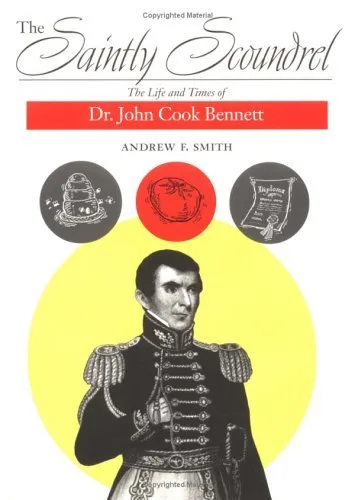 Photo: Dr. John Cook Bennett, via images-na.ssl-images-amazon.com
Bennett was a physician, educator, and — depending on which historical account you read — a fairly aggressive self-promoter. In the early 1830s, he began publicly championing a radical idea: that tomatoes weren't just safe to eat, they were actively medicinal. He published articles claiming that tomato extract could treat liver complaints, digestive trouble, diarrhea, and a general condition that 19th-century doctors vaguely referred to as "bilious disorders."
His timing was good. American patent medicine culture was booming. Pharmacies were stocked with bottled tonics promising to cure everything from melancholy to rheumatism, and the public was hungry for the next miracle remedy. Bennett's tomato-as-medicine argument spread quickly through newspapers and medical journals. By the mid-1830s, "tomato pills" were being manufactured and sold across the country.
These weren't condiments. They were medicine. Patients swallowed them the same way you'd take a vitamin today.
From the Pharmacy to the Pantry
Here's where the story starts to blur in interesting ways.
As tomato extract became commercially popular in medicinal form, cooks and food producers began experimenting with the same raw ingredient in kitchen applications. Tomato-based sauces and preserves had existed in various forms for decades — early American ketchups were actually closer to Worcestershire sauce than the product we know today, often made from mushrooms, walnuts, or fish brine rather than tomatoes at all.
But once tomatoes lost their poisonous stigma — partly thanks to Bennett's medical campaign — tomato-based condiments started gaining ground in American homes. The problem was that fresh tomatoes spoiled fast, and early tomato sauces were unstable. They fermented, separated, and went off quickly. For much of the 19th century, homemade tomato ketchup was a seasonal project, something families made in summer and tried desperately to preserve through winter.
Commercial producers saw the gap. If they could crack shelf stability, they had a mass-market product on their hands.
The Accidental Formula That Changed Everything
The breakthrough came through a combination of experimentation and happy accident rather than deliberate design.
For decades, commercial ketchup makers used high levels of preservatives — sodium benzoate was common — to keep their product shelf-stable. The results were inconsistent and, by modern standards, not particularly appetizing. Then, in the late 19th and early 20th centuries, a push toward food purity reform (driven partly by Harvey Wiley's campaign for what would become the Pure Food and Drug Act of 1906) forced manufacturers to rethink their formulas.
H.J. Heinz, whose company had been selling bottled ketchup since the 1870s, became the unlikely hero of this moment. Heinz's team — working partly out of necessity as preservative regulations tightened — dramatically increased the vinegar and sugar content of their recipe. The higher acidity and sugar concentration naturally preserved the product without chemical additives. As a side effect, it also created a sweeter, thicker, smoother condiment that tasted noticeably better than anything that had come before.
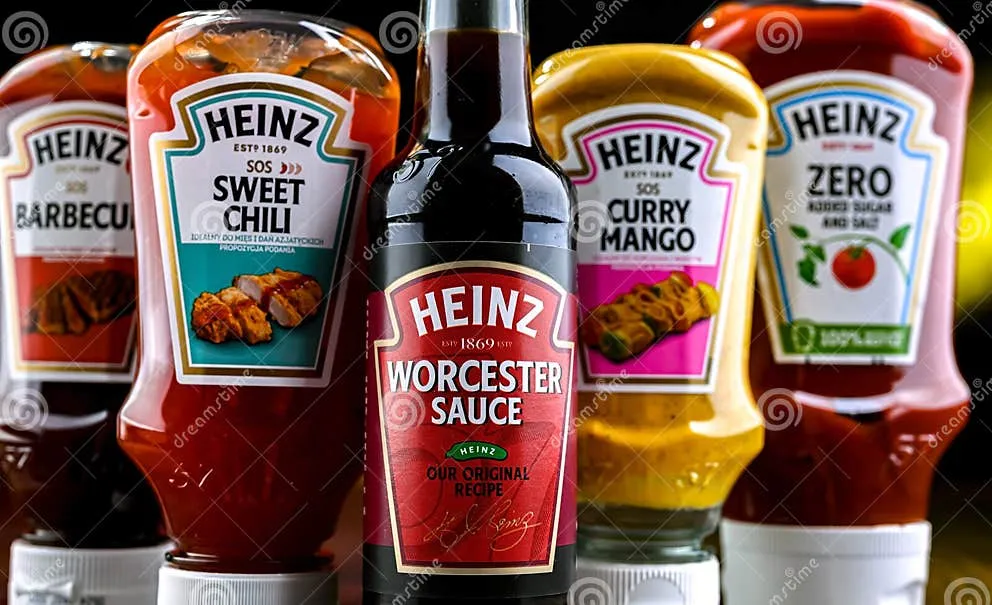 Photo: H.J. Heinz, via thumbs.dreamstime.com
That reformulation, driven by regulatory pressure rather than culinary ambition, is essentially the ketchup that's sitting in your fridge today.
How Medicine Became America's Condiment
The journey from Dr. Bennett's liver pills to the Heinz squeeze bottle took about a century, and almost none of it was planned.
Bennett's medical claims eventually fell apart under scrutiny — tomatoes turned out not to be a miracle cure for bilious disorders, surprising nobody — but not before they'd dismantled the cultural fear around the tomato itself. That shift in public perception opened the door for tomato-based foods to enter mainstream American cooking.
The patent medicine industry's enthusiasm for tomato extract created early commercial infrastructure around processing and bottling tomatoes at scale, which food producers later borrowed wholesale.
And the regulatory crackdown on chemical preservatives accidentally pushed manufacturers toward a naturally shelf-stable formula that turned a moderately popular condiment into a national staple.
By the mid-20th century, ketchup had become so embedded in American food culture that researchers began studying why people liked it so much. The answer, it turns out, involves something almost pharmacological: ketchup hits all five basic taste receptors simultaneously — sweet, sour, salty, bitter, and umami — in a balance that's unusually hard to achieve. It's one of the few condiments that genuinely complements almost any savory food.
Dr. Bennett probably would have found a way to prescribe that, too.
The Little Red Bottle, Reconsidered
The next time you reach for ketchup at a cookout, consider what you're actually holding. It's the descendant of a 19th-century medical fad, reformulated by accident under government pressure, popularized by commercial bottlers who were solving a spoilage problem rather than chasing a flavor profile, and built on a foundation laid by a physician who thought tomatoes could fix your liver.
America's favorite condiment didn't come from a chef's kitchen or a food scientist's lab. It came from a pharmacy counter, a regulatory crisis, and several decades of unplanned experimentation.
That's a lot of history to fit on a burger.