How World War II Rationing Accidentally Democratized American Literature

When Books Were Luxury Items
Walk into any American bookstore today and paperbacks dominate the shelves. These affordable, portable books seem like the natural format for popular literature. But before World War II, paperback novels barely existed in America. Books were almost exclusively hardcover, expensive, and marketed primarily to wealthy readers who could afford to spend the equivalent of $30-40 in today's money for a single novel.
This wasn't just about publishing preferences—it was about class and accessibility. Reading novels was considered a leisure activity for people with both money and time. Working-class Americans might own a Bible, a cookbook, or a technical manual, but recreational reading was largely out of reach.
The war changed everything, but not in the way anyone expected.
The Overseas Entertainment Crisis
As American troops deployed to Europe and the Pacific, military leaders faced an unexpected morale problem. Soldiers had significant downtime between battles and training exercises, but there was almost nothing to read. Hardcover books were too heavy for military transport, too expensive to distribute widely, and too fragile for field conditions.
The War Department recognized that bored soldiers were problematic soldiers. They needed entertainment options that could be mass-produced, easily shipped, and durable enough to survive military life. Traditional publishing couldn't meet these requirements.
Military logistics experts began exploring alternatives. They discovered that European publishers had been producing cheap paperback editions for decades, but American publishers had dismissed this format as inferior and unprofitable.
The Armed Services Edition Revolution
In 1943, the military launched the Armed Services Editions program—a radical experiment in book production. Working with a consortium of publishers, they began producing paperback books specifically designed for military distribution. These books were smaller, lighter, and dramatically cheaper than anything previously available in America.
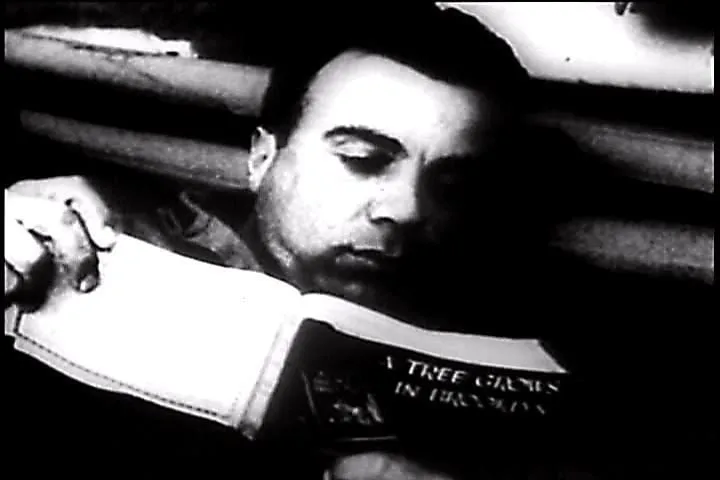 Photo: Armed Services Editions, via alchetron.com
The program's requirements forced innovations in printing and binding technology. Publishers had to figure out how to produce books that could survive being stuffed in backpacks, dropped in mud, and read in foxholes. They developed new paper formulations, binding techniques, and printing processes that made books both affordable and durable.
More importantly, the program required massive print runs. To keep costs low enough for military budgets, publishers had to print hundreds of thousands of copies of each title. This scale of production had never been attempted for books in America.
The Accidental Literary Democracy
Something unexpected happened with these military paperbacks. Publishers discovered they could produce books so cheaply that they could sell them profitably for a fraction of hardcover prices. A book that cost $2.50 in hardcover could be produced as a paperback for 25 cents while still generating reasonable profits.
This revelation came at the perfect time. Wartime rationing had reduced the availability of entertainment options at home. Movie theaters were limiting showtimes to conserve electricity, radio programming was dominated by war news, and many recreational activities required materials that were being diverted to military production.
Americans were hungry for entertainment, and suddenly books became the most accessible option available. Publishers began producing paperback editions for domestic markets, using the printing and binding techniques developed for military distribution.
The Class Barrier Collapse
The paperback revolution demolished the economic barriers that had kept literature away from working-class readers. For the first time in American history, a factory worker could afford to buy the same novels being read in wealthy households. A 25-cent paperback was within reach of almost any employed person.
This accessibility transformed reading habits across the country. Paperbacks appeared in drugstores, train stations, and grocery stores—places where books had never been sold before. People who had never considered themselves "readers" began picking up novels during lunch breaks or train commutes.
Publishers initially worried that cheap paperbacks would cannibalize hardcover sales, but the opposite happened. The paperback market created entirely new categories of book buyers. People who discovered authors through inexpensive paperbacks often purchased hardcover editions of favorite books later.
The Publishing Industry Transformation
By 1950, paperback sales were generating more revenue than hardcovers. Publishers who had initially resisted the format were scrambling to establish paperback divisions. The techniques developed for military book production became standard throughout the industry.
The paperback revolution also changed what kinds of books were published. When production costs dropped dramatically, publishers could take risks on experimental authors and niche subjects that wouldn't have been viable with expensive hardcover production.
Genres like science fiction, mystery novels, and romance literature exploded in popularity because paperback pricing made them accessible to their natural audiences. Writers who might never have found publishers in the hardcover-only era suddenly had opportunities to reach readers.
The Unintended Cultural Revolution
What began as a military logistics solution accidentally democratized American literature. The Armed Services Editions program, designed simply to keep soldiers entertained, created the publishing format that would dominate American reading for the next 80 years.
Today, when someone picks up a paperback novel at an airport bookstore or adds a Kindle edition to their digital library, they're participating in a cultural shift that began with military planners trying to solve a troop morale problem. The accessibility of literature that Americans now take for granted emerged from wartime necessity and material rationing.
The next time you buy an affordable book, remember that you're benefiting from innovations originally developed to fit novels into soldiers' backpacks. Sometimes the most profound cultural changes come from the most practical wartime problems.