The Accident That Invented New York City's Most Iconic Celebration
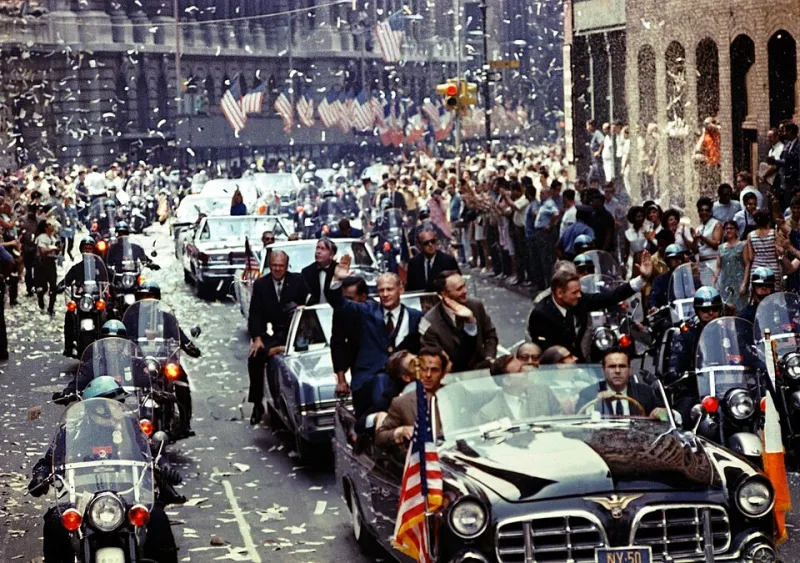
Photo: NASA / Bill Taub, Public domain, via Wikimedia Commons
There's a version of history where someone sat down, planned it all out, and decided that the best way to honor a great American moment was to line the streets of lower Manhattan and shower them with paper from above. That version is wrong.
The ticker tape parade — one of New York City's most recognizable exports, the celebration format that has honored everyone from Charles Lindbergh to the 1969 Mets — was born entirely by accident on a Wednesday afternoon in October 1886. Nobody authorized it. Nobody organized it. It just happened, and then it never stopped.
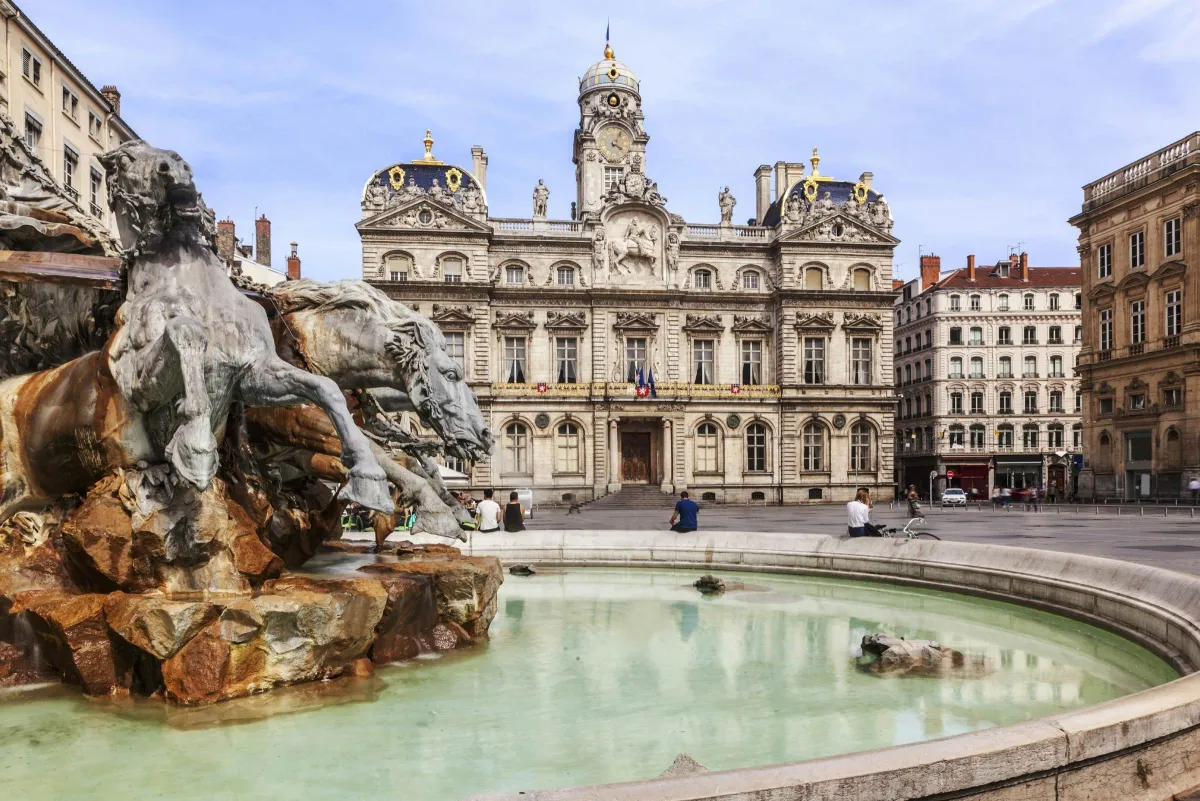 Photo: Charles Lindbergh, via lp-cms-production.imgix.net
The Day the Statue of Liberty Was Dedicated
October 28, 1886, was a significant day in New York. President Grover Cleveland was presiding over the formal dedication of the Statue of Liberty, a gift from France that had taken years to assemble and had been sitting in the harbor waiting for its pedestal to be completed. The city had organized an official procession through lower Manhattan — marching bands, dignitaries, the whole apparatus of a planned civic celebration.
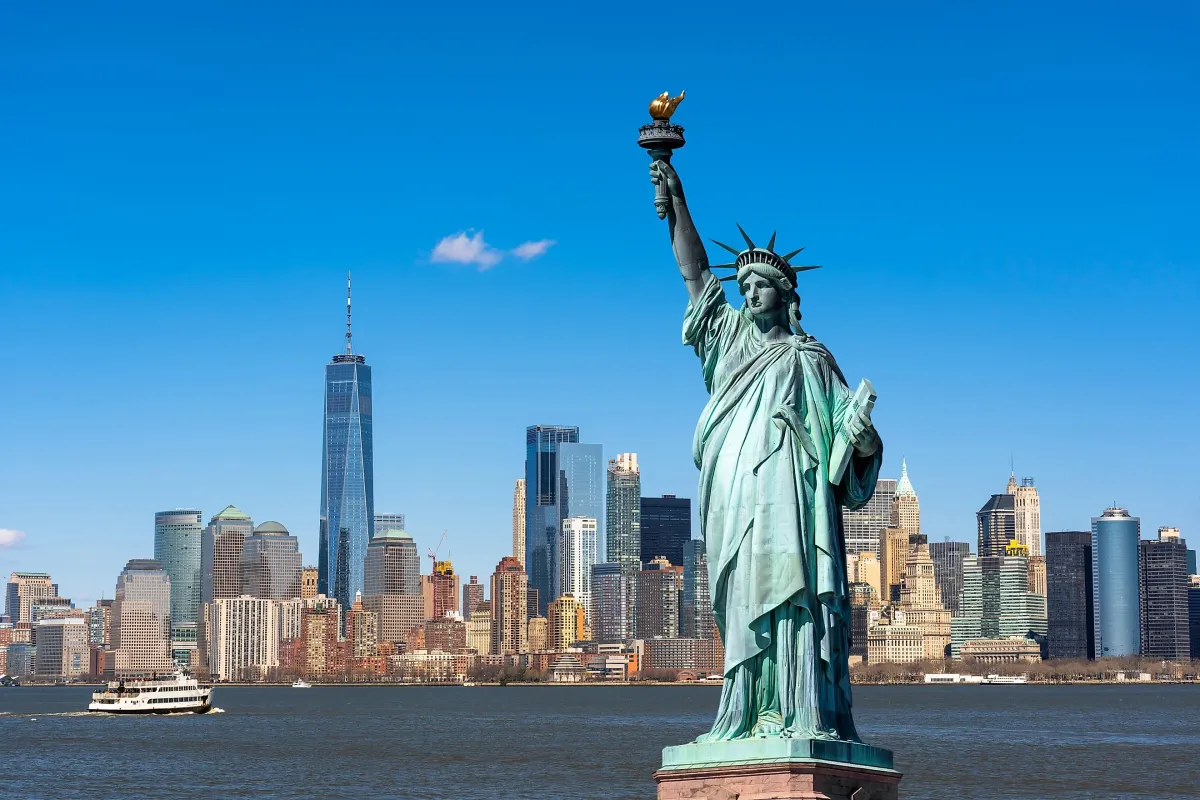 Photo: Statue of Liberty, via www.worldatlas.com
The streets were packed. The buildings along Broadway and the surrounding financial district were full of workers who couldn't exactly leave their posts but wanted to participate in whatever way they could. The financial district in the 1880s was a world defined by a specific piece of technology: the stock ticker.
The ticker machine was the internet of its day. It printed a continuous ribbon of thin paper tape stamped with stock prices and trading information, fed from a central telegraph hub out to brokerage offices across the city. Every office had one. Every office produced a constant stream of narrow paper waste that piled up in baskets and on floors throughout the trading day.
Someone Threw Some Paper Out a Window
As the procession moved through the streets below, workers on the upper floors of the buildings lining the route did what people do when they're excited and have something in their hands. They threw it.
The ticker tape was perfect for the moment almost by accident. It was lightweight, it caught the air beautifully, and there was an essentially unlimited supply of it sitting in every office. One person threw some. Then another. Then the windows up and down the block were raining paper into the street below.
There was no announcement. No signal. No one in charge decided this was happening. It was purely spontaneous — a crowd behavior that emerged from proximity, excitement, and the convenient presence of a lot of throwable paper.
Newspaper accounts from the following day described the scene with a mixture of surprise and delight. The New York World noted the "curious" sight of paper streaming from the upper stories of office buildings. Nobody called it a ticker tape parade yet. It didn't have a name. It was just something that had happened.
How a Spontaneous Moment Became a Repeatable Format
The city didn't immediately decide to institutionalize what had occurred. But the memory of it stuck. When the next major celebration came through lower Manhattan — the return of naval hero Admiral George Dewey in 1899 after the Spanish-American War — the paper throwing happened again, this time with a little more deliberate enthusiasm. People remembered 1886. They knew what to do.
By the early 20th century, the format had an unofficial name and a recognized geography. "The Canyon of Heroes" — the stretch of Broadway from Bowling Green up to City Hall — became the standard route. The financial district's dense cluster of tall buildings created the ideal physical environment: narrow streets flanked by high towers, which concentrated the falling paper into a dramatic visual tunnel.
The city began to formally organize around the tradition rather than simply allowing it to happen. Police cordoned off the route. Sanitation crews were scheduled. Guest lists were arranged. What had been an unplanned outburst became a managed civic event — though the essential element, the paper falling from above, remained.
The Strange Economics of Keeping a Dead Technology Alive
Here's where the story gets genuinely odd. By the mid-20th century, the stock ticker machine — the actual source of the original tape — was becoming obsolete. Electronic displays were replacing physical tape in brokerage offices. By the 1960s, genuine ticker tape was increasingly hard to come by in the quantities a proper parade required.
New York City adapted rather than surrendered the tradition. For major parades, the city began distributing shredded paper to building occupants along the route. Office workers contributed confetti made from shredded documents. Sanitation workers estimated that major parades could deposit anywhere from 50 to 100 tons of paper on the streets — a logistical reality that required significant post-parade cleanup operations and, eventually, a dedicated budget line.
The city developed an informal industrial relationship with the tradition. Paper suppliers, building management companies, and sanitation contractors all built the parade schedule into their annual planning. A celebration format that had cost nothing in 1886 — it was literally waste paper being discarded — became an event with measurable economic infrastructure.
What the Accident Left Behind
New York has hosted more than 200 ticker tape parades since 1886. The honorees have ranged from astronauts to athletes to foreign heads of state. The route is essentially unchanged. The paper still falls.
No other American city has successfully replicated the tradition at scale. Part of that is geography — you need the right kind of dense, canyon-like streetscape. Part of it is history. The tradition works partly because it's old, because it connects a modern celebration to something that happened in 1886 when a crowd of anonymous office workers decided, all at once, to throw their trash into the street.
The Founding Fathers, at least, made a deliberate choice when they designed American symbols and ceremonies. The ticker tape parade had no designer at all. It was an accident that the city decided to keep repeating until it became permanent.
That might actually make it more American than most things with an official origin story.