The Diner Complaint That Put a Paper Cup in Every American's Hand
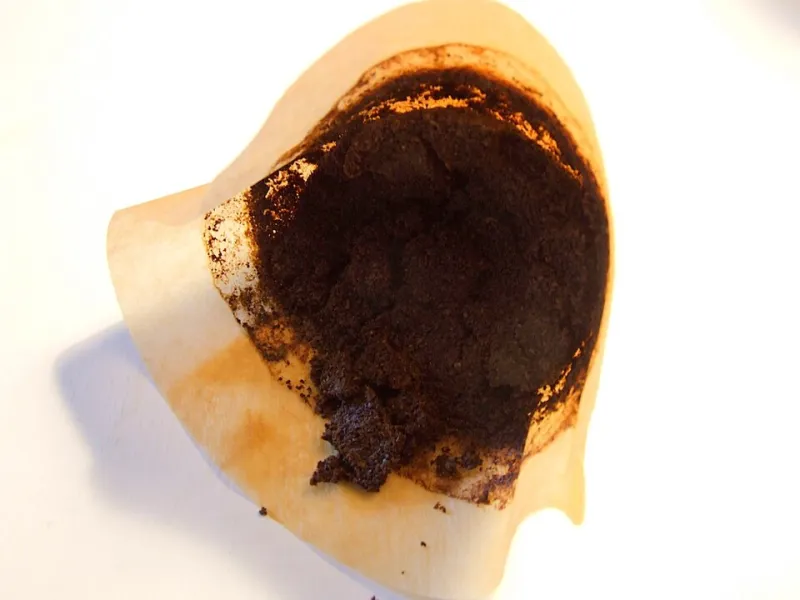
Photo: —Estormiz 06:57, 10 September 2006 (UTC), Public domain, via Wikimedia Commons
Right now, somewhere in America, someone is walking out of a coffee shop holding a paper cup. And somewhere else, someone is throwing one away. And somewhere else, another one is being filled. This happens roughly 50 billion times a year in the United States alone — 50 billion paper cups, used once, discarded, replaced.
The paper coffee cup is so ordinary that most people never think about it. It's just the way coffee comes when you don't make it yourself. But it wasn't always this way, and the path from ceramic diner mug to disposable cardboard sleeve is stranger and more specific than you'd expect. It starts with a woman whose hands were getting burned, and a complaint that almost nobody wanted to hear.
Coffee Culture Before the Throwaway Era
For most of American history, coffee was a sit-down experience. You went to a diner, a luncheonette, or a drugstore counter, and someone brought you a ceramic mug. You drank it there. You left the mug. Someone washed it. This was not considered inconvenient. It was just how coffee worked.
Paper cups existed long before the 1960s — they'd been around since the early 1900s, originally developed to replace the shared tin dippers that hung beside public water barrels. The Dixie Cup Company had been selling disposable paper cups since 1910, and they found a ready market in offices, schools, and water coolers. But hot beverages were a different story. Early paper cups couldn't handle sustained heat without going soggy, and nobody had figured out how to make them both cheap and structurally sound enough for something like coffee.
The real push didn't come from an inventor in a lab. It came from the floor of a working diner.
The Woman Who Said Her Hands Were Burning
The exact name of the waitress at the center of this story has been lost to history — which is, honestly, on brand for how the contributions of service workers tend to get recorded. What food industry historians have pieced together is that complaints from diner staff about handling heavy ceramic mugs filled with near-boiling liquid were common throughout the late 1950s and into the 1960s.
The mugs were heavy. They were filled by the pot, which meant the outside got hot fast. Waitresses — and at the time, it was almost exclusively women doing this work — were handling dozens of them per shift, refilling constantly, carrying multiple cups on a single tray. Burns were routine. Complaints were routine. And for a long time, management's response was also routine: that's the job.
But the postwar American diner was also a business under pressure. The interstate highway system was changing where people ate. Drive-ins were pulling customers. The idea of food you could take with you — rather than sit down and consume — was gaining traction. Coffee to go was a concept that made commercial sense, but it needed a vessel.
The paper cup manufacturers had been circling this problem for years. When diner operators started asking whether there was a hot-drink solution that was cheaper to manage, easier on staff, and didn't require a dishwashing operation, the timing was right.
The Engineering Problem Nobody Talks About
Making a paper cup that could hold hot coffee without immediately failing required solving a specific materials problem. Early attempts used wax coatings, which worked until the coffee was hot enough to melt the wax into your drink — not a selling point.
The solution that eventually took hold was polyethylene lining: a thin layer of plastic fused to the inside of the paper cup that sealed it against moisture and held up under heat. This became the industry standard through the 1960s and is still the dominant construction method today. It's also, as it turned out, the reason paper coffee cups are almost impossible to recycle — the plastic and paper layers are bonded together in a way that most recycling facilities can't separate economically.
But in the early 1960s, that environmental math wasn't on anyone's balance sheet. What was on the balance sheet was labor cost, breakage cost, and the elimination of an entire dishwashing workflow. Disposable cups were cheaper to operate. They removed a source of staff injury and complaint. And they opened up a new revenue category: coffee to go.
How Takeout Coffee Became American Identity
Once the paper cup became viable for hot drinks, the diner industry adopted it fast — not to replace sit-down service, but to add a new lane. The to-go coffee cup turned coffee from a destination into a companion. You didn't have to stop anymore. You could keep moving.
That fit perfectly with where American culture was heading. The suburbs were filling up. The commute was becoming a daily ritual. The car was the center of American life, and the paper cup slid neatly into the cup holder as the country built more of them.
By the time Starbucks arrived in the 1980s and exploded through the 1990s, the paper cup wasn't just a container — it was a branding surface. Your name on the cup. The logo facing outward. The cup became a status object, a walking advertisement, a social signal. And it was still, at its core, designed to be thrown away after twenty minutes.
The Legacy Nobody Ordered
The United States now throws away roughly 50 billion paper coffee cups annually. Because of the polyethylene lining, fewer than one percent of them are recycled. They pile up in landfills at a rate that no municipal waste system has figured out how to address at scale.
None of this was the intention of the waitress who said her hands were burning. None of it was the plan of the paper cup engineers who solved the heat problem with a plastic coating. It was a series of practical solutions to immediate problems, each one reasonable in isolation, adding up to something enormous and largely irreversible.
The ceramic mug is still out there. Plenty of coffee shops still use them, and the sit-down coffee experience never disappeared. But the paper cup won the volume war decisively, and it did it because, at a critical moment in American food culture, someone's hands hurt and the industry needed a cheaper way to say yes to the person walking out the door.