The French Weaving Disaster That Became America's Signature Fabric
The French Weaving Disaster That Became America's Signature Fabric
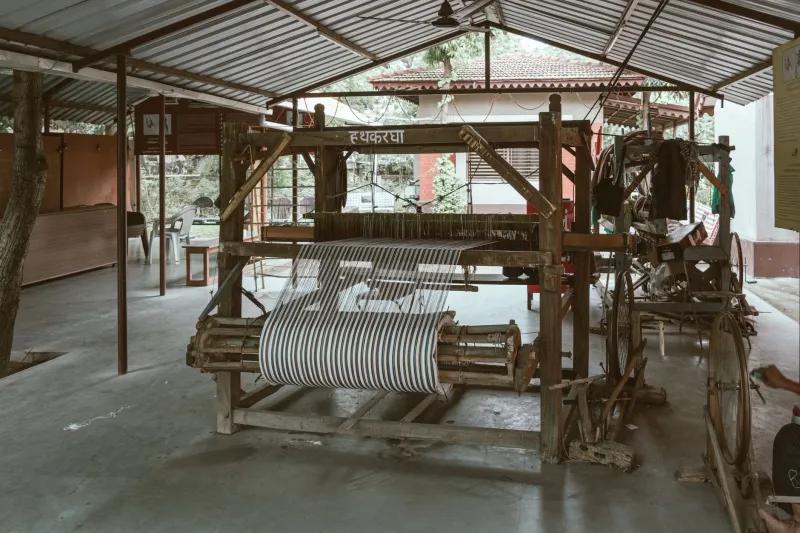
In the textile mills of 17th century Nîmes, France, weavers prided themselves on creating perfect fabrics. So when a batch of cotton emerged with an unusual diagonal pattern—the result of a threading error that created a distinctive twill weave—it represented everything the European market didn't want: imperfection, irregularity, and deviation from established standards.
That rejected fabric would eventually become the most democratic material in American history, worn by everyone from struggling miners to sitting presidents. But first, it had to cross an ocean and find people desperate enough to give a failed textile a second chance.
The Mistake That Wouldn't Sell
The fabric that would become known as denim originated from a weaving technique gone wrong. Traditional European textiles used simple over-under patterns that created smooth, uniform surfaces. But when Nîmes weavers accidentally created a diagonal twill pattern—where the weft thread passes under two or more warp threads—they produced something entirely different.
This diagonal weave created a fabric that was undeniably stronger than conventional cotton, but European fashion sensibilities of the era prized refinement over durability. The textile's rough texture and irregular appearance made it unsuitable for the formal wear that dominated European wardrobes. Worse, the indigo dye used to color it had an annoying tendency to fade and transfer, leaving blue marks on whatever it touched.
French textile merchants found themselves with warehouses full of fabric nobody wanted to buy. The material was too rough for fashionable clothing, too casual for formal wear, and too unpredictable in its color retention for luxury markets. It seemed destined for industrial uses—sailcloth, perhaps, or worker's aprons.
The American Opportunity
What European sophistication rejected, American pragmatism embraced. By the 1840s, this French textile surplus found its way to American ports, where it caught the attention of merchants looking for durable, affordable fabrics for a rapidly expanding frontier economy.
The timing couldn't have been better. The California Gold Rush was drawing thousands of men to work in conditions that destroyed conventional clothing within weeks. Canvas pants, the standard workwear of the era, lasted longer than cotton but were stiff, uncomfortable, and expensive to replace.
Jacob Davis, a Nevada tailor, was among the first to recognize the potential of this rejected French fabric. Working with Levi Strauss, a Bavarian immigrant who had established a dry goods business in San Francisco, Davis began experimenting with the unusual diagonal-woven cotton.
 Photo: Levi Strauss, via www.prints4u.net
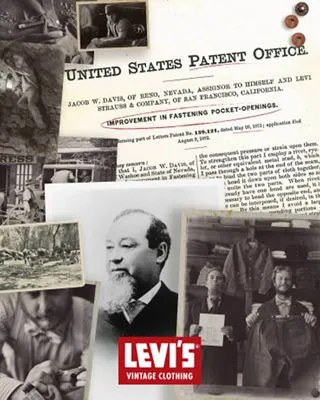 Photo: Jacob Davis, via lscoecomm.scene7.com
The Reinforcement Revolution
Davis's breakthrough came when he realized that the fabric's diagonal weave made it ideal for a specific type of reinforcement. In 1871, he began adding metal rivets to stress points—pockets, seams, and areas where miners' tools created the most wear. The combination of the strong French twill and strategic metal reinforcement created workwear that could withstand conditions that destroyed everything else.
The partnership between Davis and Strauss formalized in 1873 when they received a patent for "Improvement in Fastening Pocket-Openings"—essentially, the invention of riveted work pants. They called their creation "waist overalls," but workers had their own name for pants made from the fabric "de Nîmes"—denim.
From Workwear to Wardrobe
For decades, denim remained strictly utilitarian. Cowboys wore it, railroad workers wore it, and factory employees wore it, but it never appeared in polite society. The fabric's association with manual labor made it unsuitable for anyone aspiring to respectability.
This began to change in the 1930s when Hollywood westerns introduced denim to audiences as romantic frontier wear. Suddenly, the same fabric that had been rejected by European fashion was being worn by movie stars playing American heroes. The transformation accelerated during World War II, when fabric rationing made denim's durability a patriotic virtue rather than a working-class necessity.
The Democratic Fabric
What makes denim uniquely American isn't just its adoption by American workers, but its eventual embrace across all social classes. By the 1950s, teenagers were wearing jeans as a form of rebellion. By the 1970s, fashion designers were incorporating denim into high-end collections. By the 1990s, "casual Friday" had made jeans acceptable in offices across America.
This social mobility—from rejected European surplus to universal American uniform—reflects something fundamental about American culture. The same democratic impulse that made the country a refuge for people rejected elsewhere also made it a place where a failed textile could find new purpose.
The Enduring Appeal of Imperfection
Modern denim still carries the characteristics that made European buyers reject it centuries ago. It still fades unpredictably, still transfers color, and still develops a unique patina based on how it's worn. These "flaws" are now considered features, with premium brands charging hundreds of dollars for jeans that perfectly replicate the imperfections of that original French mistake.
The diagonal twill weave that emerged from a threading error in Nîmes remains the defining characteristic of authentic denim. Despite decades of textile innovation, no synthetic has successfully replicated both the durability and the aging characteristics of that accidental weave pattern.
From Mistake to Monument
Today, Americans purchase over 450 million pairs of jeans annually, making denim one of the most successful textiles in history. The fabric that French weavers couldn't sell has become a multi-billion-dollar industry, with American denim brands now exported back to Europe as luxury goods.
The story of denim proves that sometimes the most successful innovations aren't planned improvements, but happy accidents that find the right market at the right time. A weaving mistake in 17th century France became 19th century American practicality, which evolved into 20th century global fashion, which transformed into 21st century cultural identity.
Every pair of jeans worn today carries the DNA of that original French error—the diagonal weave that European buyers found unacceptable but American workers found indispensable. It's a reminder that what one culture discards as imperfect, another might embrace as exactly what they were looking for.