Hand Sanitizer Spent 30 Years Being Ignored. Then One Nursing Student Changed Everything.
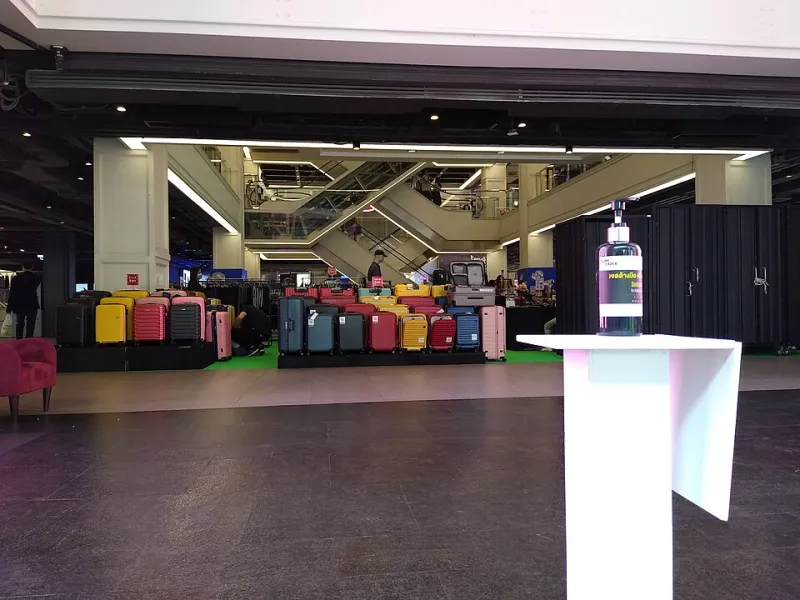
Photo: Mx. Granger, CC0, via Wikimedia Commons
Look in your bag right now. There's a decent chance you'll find a small bottle of hand sanitizer somewhere in there — maybe in a pocket, maybe clipped to a keychain, maybe rattling around at the bottom with the receipts and the chapstick. It's just part of the inventory of modern American life.
But that small bottle has a stranger history than you'd expect. The core technology behind it was developed in the 1960s, largely ignored for two decades, reformulated almost by accident in the 1980s, and then transformed into a multibillion-dollar consumer category by a combination of clever marketing and, eventually, a global pandemic. The story of how hand sanitizer went from hospital utility product to permanent pocket fixture is really a story about how slowly practical ideas move — and how fast they can spread when the moment is right.
The Hospital Problem Nobody Thought to Solve Commercially
Alcohol has been understood as an antimicrobial agent for well over a century. Hospitals used alcohol-based solutions for surface disinfection and instrument cleaning long before anyone thought to apply the concept directly to hands as a routine hygiene measure.
In the 1960s, as hospital-acquired infections became a more recognized clinical concern, researchers began developing alcohol-based formulations specifically designed for hand hygiene. The logic was straightforward: soap and water required a sink, and sinks weren't always immediately available in clinical settings. A portable, rinse-free alternative could theoretically improve compliance with hand hygiene protocols between patient contacts.
The formulations that emerged worked reasonably well at killing pathogens. But they had real problems that limited their appeal. Early alcohol-based hand products were harsh on skin with repeated use, evaporated quickly in ways that felt uncomfortable, and carried a sharp chemical smell that felt more industrial than clinical. Nurses and doctors who used them regularly reported significant skin irritation. Infection control specialists were cautiously interested but not exactly enthusiastic.
The products existed, were sold in limited quantities to institutional buyers, and were largely invisible to the general public. Nobody in the consumer goods industry looked at them and saw a mass market.
The Nursing Student With a Practical Complaint
In the early 1980s, a nursing student named Lupe Hernandez was studying at a college in Bakersfield, California, when she encountered the same frustration that hospital workers had been experiencing for years: hand hygiene in clinical settings was inconvenient, and the available solutions weren't good enough.
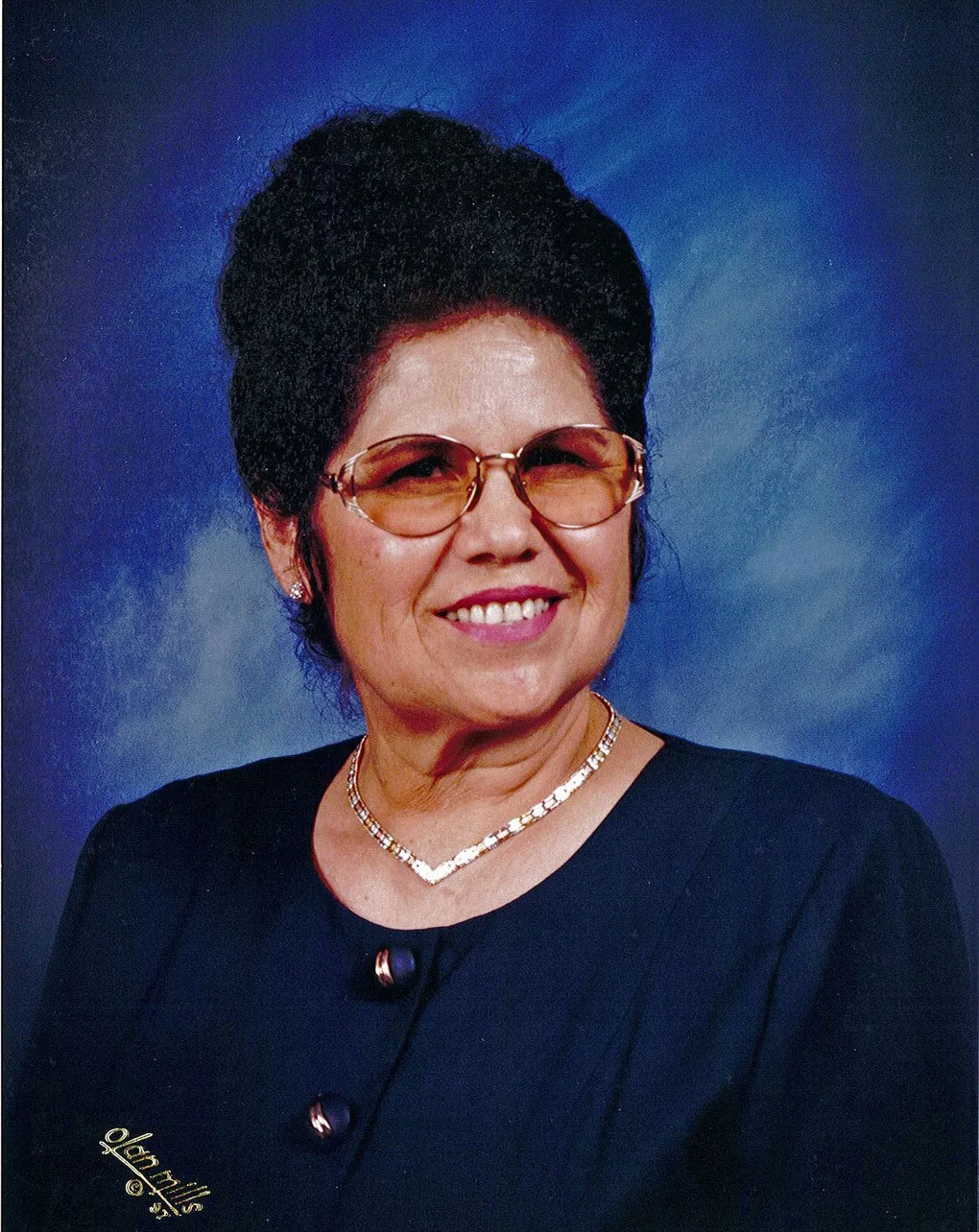 Photo: Lupe Hernandez, via cache.legacy.net
Hernandez's insight was not purely scientific. It was practical and design-oriented. The existing alcohol-based products failed partly because of their delivery format — thin liquids that evaporated too fast and felt unpleasant to use. What if the same antimicrobial chemistry were suspended in a gel? A thicker carrier would slow evaporation, improve skin contact time, reduce the harshness of the experience, and make the product easier to dispense in controlled amounts.
She filed a patent for an alcohol-based gel formulation in 1966 — some historical accounts place her work in the mid-1980s, with the precise timeline disputed — but the core innovation was the same regardless of the exact date: transforming a functional but uncomfortable clinical product into something people might actually want to use voluntarily.
The gel format changed the user experience in ways that mattered enormously for eventual mass adoption. It felt like a product rather than a chemical. It was portable in a way that liquid formulations weren't. And critically, it could be packaged in small, consumer-friendly containers without leaking or evaporating before use.
The Slow Climb From Niche to Mainstream
Even with the gel reformulation, hand sanitizer didn't immediately explode into the consumer market. Through the late 1980s and into the 1990s, it remained primarily an institutional product — sold to hospitals, clinics, food service operations, and schools rather than individual consumers.
Gojo Industries, an Ohio-based company that had been making hand care products for industrial workers since the 1940s, launched Purell in 1988 as a consumer-facing hand sanitizer product. The launch was modest. Distribution was limited. The product sat in the specialty health section of stores that carried it, largely overlooked.
What changed the trajectory wasn't a single invention or discovery. It was a slow accumulation of public health awareness — growing media coverage of food safety, increasing anxiety about cold and flu transmission, and a broader cultural shift toward personal hygiene as a form of self-management. By the mid-1990s, Purell had found its way into more retail channels. By the early 2000s, it was available in grocery stores nationwide.
The spread of concerns about MRSA, norovirus outbreaks on cruise ships, and annual flu season media coverage each gave hand sanitizer a small cultural boost. Schools began placing dispensers in hallways. Restaurants put them near hostess stands. The product was slowly normalizing — not because of any single marketing push, but because the anxiety it addressed kept finding new expressions.
Then 2020 Happened
The COVID-19 pandemic did in three months what thirty years of gradual market expansion had not fully accomplished. Hand sanitizer went from a familiar but optional consumer product to something that felt essential, urgent, and suddenly, terrifyingly scarce.
In the early weeks of the pandemic, store shelves emptied. Distilleries converted their operations to produce alcohol-based sanitizer under emergency FDA guidance. Hotels, offices, restaurants, and retail stores installed dispensers at every entrance. The federal government stockpiled it. Hospitals rationed it.
The global hand sanitizer market, which had been valued at roughly $2.7 billion before the pandemic, expanded dramatically in 2020 and remained elevated well after restrictions lifted. More significantly, the behavior changed. Surveys conducted after the pandemic showed that a substantial portion of Americans continued to carry and use hand sanitizer regularly even after COVID concerns faded — a hygiene habit that had been installed at a population level in a matter of months.
A Product That Almost Didn't Make It Out of the Hospital
The hand sanitizer in your bag right now is the descendant of a clinical compromise — a product developed because sinks were inconvenient, reformulated because the original version was too harsh, commercially launched with modest expectations, and then gradually adopted by a public that kept finding new reasons to want it.
It wasn't a dramatic invention. There was no eureka moment, no single genius, no deliberate master plan to put a bottle of sanitizing gel in every American pocket. It was a slow, practical evolution driven by a nursing student's frustration, a small Ohio company's long bet, and eventually, a global health crisis that made the decision for everyone.
Sometimes the most ubiquitous things in your life got there without anyone fully intending it.