How Hospital Shift Changes Accidentally Invented the Great American Road Trip

The Schedule That Changed Everything
In 1923, Presbyterian Hospital in New York faced a staffing crisis that was becoming common across American healthcare. Nurses and orderlies were burning out at alarming rates, patient care was suffering, and hospital administrators couldn't figure out how to maintain 24-hour coverage without exhausting their workforce.
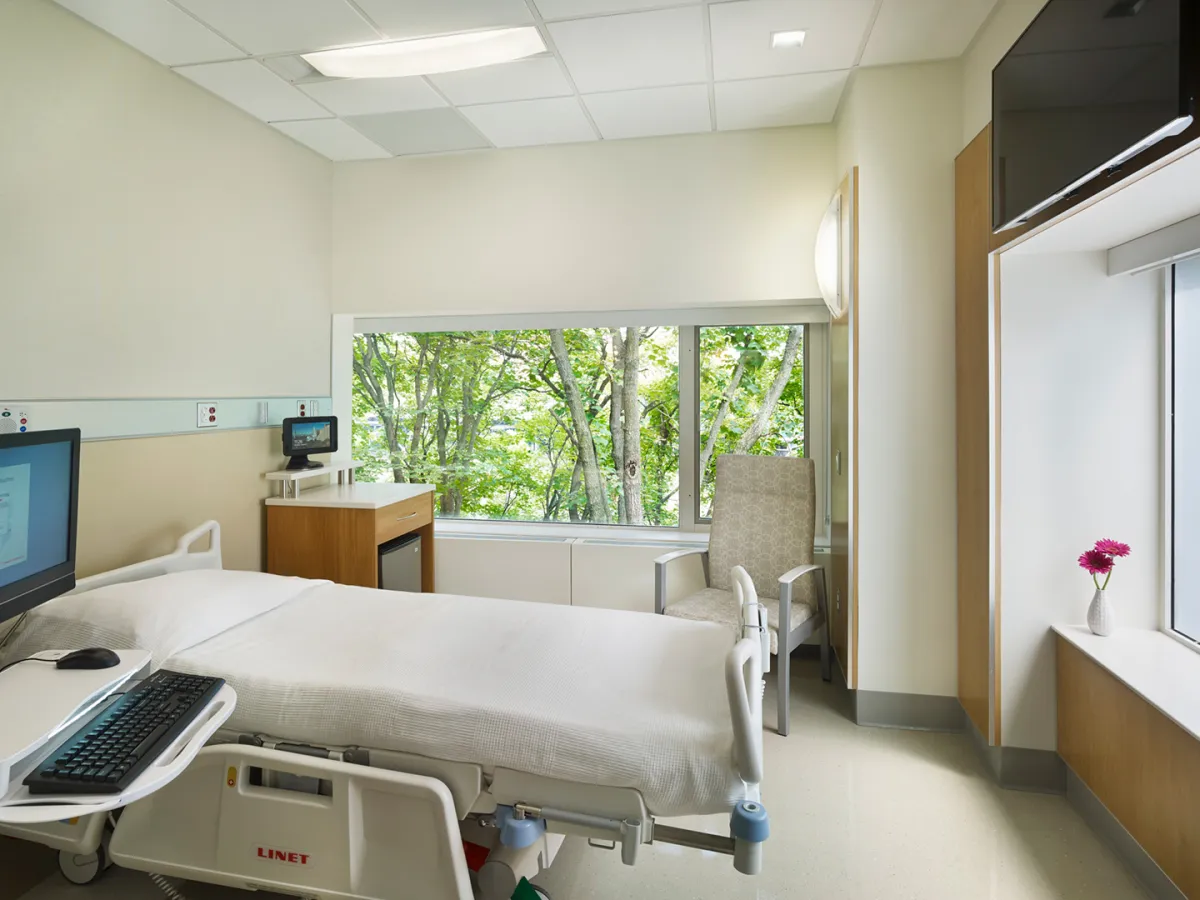 Photo: Presbyterian Hospital in New York, via www.waldners.com
The solution seemed straightforward: create standardized eight-hour shifts with mandatory rest periods. What hospital administrators didn't realize was that they were about to accidentally invent the American weekend as we know it.
When Work Finally Had Boundaries
Before standardized hospital shifts, most working-class Americans had unpredictable schedules. Factory workers might work ten-hour days one week and fourteen-hour days the next, depending on orders. Domestic workers were essentially on call whenever their employers needed them. Even shop clerks worked whenever stores were open, which could mean any day of the week.
But hospital workers were different. Healthcare couldn't stop, so hospitals had to guarantee coverage around the clock. This forced them to create something revolutionary: predictable blocks of guaranteed free time.
When a nurse finished her Friday evening shift, she knew with certainty that she wouldn't be called back until Monday morning. For the first time in American labor history, working-class people could make plans more than a day in advance.
The Ripple Effect Nobody Saw Coming
Other industries quickly noticed what hospitals were doing. If healthcare workers could be more productive with predictable schedules, maybe the same principle applied elsewhere. By the late 1920s, factories, department stores, and even some domestic service agencies had adopted similar shift patterns.
Sudenly, millions of Americans found themselves with something their parents never had: a guaranteed Saturday afternoon with nothing they had to do.
This created an enormous economic opportunity that nobody had anticipated. Americans had free time, but they didn't know what to do with it.
Detroit Sees an Opening
Henry Ford's marketing department was among the first to recognize the implications. If working Americans had predictable leisure time, they needed something to do with it. And if they were going to leave their neighborhoods to find entertainment, they'd need transportation.
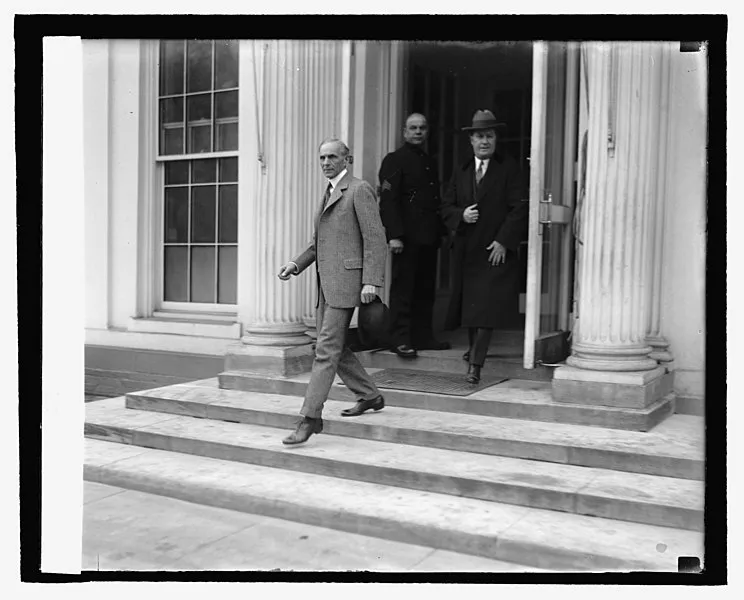 Photo: Henry Ford, via www.havefunwithhistory.com
Ford began marketing cars not as practical necessities, but as weekend escape vehicles. The famous "See the USA in Your Chevrolet" campaigns of the 1930s specifically targeted people with newly standardized work schedules who were looking for ways to spend their Saturday afternoons.
General Motors went further, commissioning studies of how far people could drive in a single afternoon and still return home by Sunday evening. The answer—roughly 150 miles—became the target distance for what we now call weekend getaways.
Building an Industry Around Boredom
As more Americans bought cars for weekend use, entrepreneurs rushed to give them places to go. The first generation of roadside diners wasn't built to serve travelers going somewhere important—they were designed to feed people who were driving around just for something to do.
Motel chains like Holiday Inn specifically positioned their locations about three hours' drive from major cities—close enough for a weekend trip, far enough to feel like an adventure. Howard Johnson's built their restaurant empire around the same principle, creating standardized roadside dining experiences for people who were essentially driving in circles for entertainment.
Even gas stations adapted their business models. Instead of just selling fuel to people who needed to get somewhere, they began marketing the driving experience itself. Burma-Shave signs, roadside attractions, and scenic route marketing all emerged to serve people who were driving for pleasure rather than necessity.
The Cultural Revolution Nobody Planned
What started as a hospital scheduling solution became the foundation of American car culture. The predictable free time created by standardized shifts made it possible for families to plan weekend outings, which created demand for family-friendly cars, which justified building highways to weekend destinations, which encouraged the development of suburbs designed around car ownership.
The American tradition of the Sunday drive—families getting in the car with no particular destination in mind—emerged directly from this scheduling accident. So did the concept of the "weekend warrior," Americans who lived for their Saturday and Sunday adventures.
From Hospitals to Highways
By the 1950s, the Interstate Highway System was being designed specifically to serve weekend recreational traffic, not just commercial transportation. The scenic overlooks, rest areas, and tourist information centers that define American highways today were all built around the assumption that many drivers were tourists in their own country, exploring because they finally had time to explore.
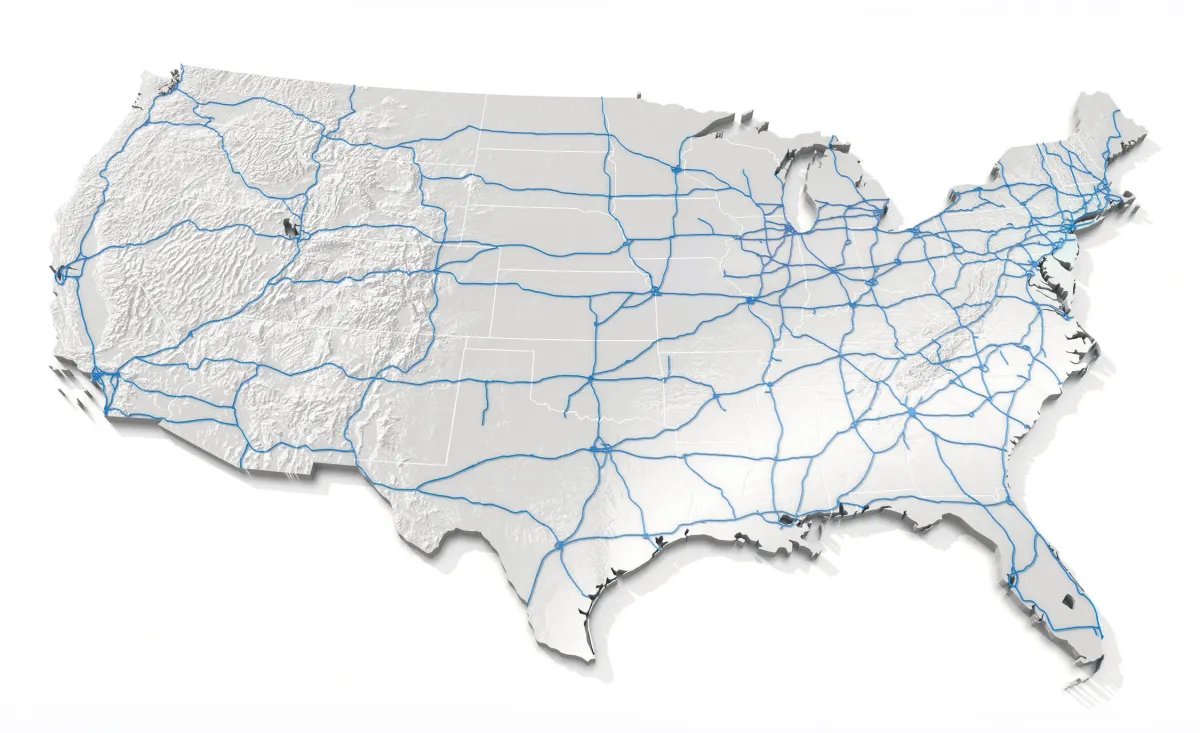 Photo: Interstate Highway System, via hips.hearstapps.com
The motel industry, roadside attraction business, and even the American fast-food industry all trace their origins back to that moment when hospitals created predictable leisure time for working Americans.
The Legacy of an Accident
Today, the standard American work week—with weekends off and predictable vacation time—seems natural and inevitable. But it's actually the result of a scheduling experiment that hospital administrators tried because they were desperate to keep their staff from quitting.
That experiment created the economic and cultural foundation for everything from family vacations to the interstate highway system to the suburban lifestyle that defined mid-century America.
Why This Story Matters
The hospital shift story reveals something important about how major cultural changes happen. The great American road trip wasn't invented by visionary entrepreneurs or government planners—it emerged because practical people solving immediate problems accidentally created new possibilities.
When hospitals gave their workers predictable schedules, they weren't trying to revolutionize American leisure culture. They were just trying to keep nurses from burning out. But sometimes the most profound changes come from solving small, immediate problems rather than pursuing grand visions.
The next time you plan a weekend getaway, remember: you're participating in a tradition that began because hospital administrators in the 1920s couldn't figure out how to schedule their staff.