The Miscut Lumber That Became the Centerpiece of the American Living Room
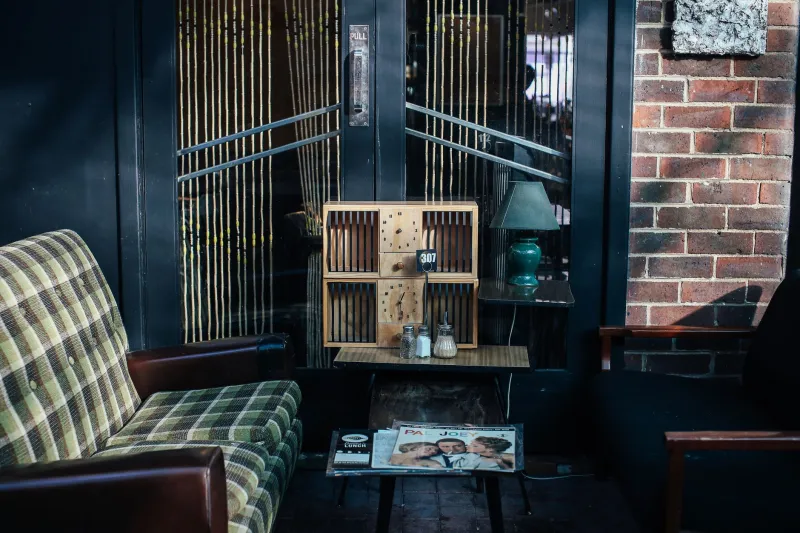
Sit down in almost any American living room and there it is: the coffee table. Low to the ground, broad and flat, positioned in front of the sofa like a loyal sidekick. It holds the remote control, a stack of magazines that nobody reads, a candle that's never been lit, and probably somebody's feet. It's so ubiquitous that imagining a living room without one feels slightly wrong.
But here's the thing: the coffee table was never supposed to exist. It wasn't sketched by a visionary designer or born from years of ergonomic research. It came from a mistake — a batch of badly cut wood in a 1930s furniture factory — and the story of how that error became one of the most purchased pieces of furniture in American history says a lot about how taste, marketing, and a little postwar optimism can turn a scrap pile into an icon.
A Factory Floor Accident
In the early 1930s, a furniture manufacturer in the American Midwest — accounts differ on the exact company — was working through a production run of standard dining and side tables. Somewhere in the process, a cutting error produced a significant quantity of wood pieces that were too short to be usable as conventional table legs. The resulting tabletop surfaces sat dramatically lower than anything currently on the market: roughly sixteen to eighteen inches off the ground instead of the standard twenty-eight to thirty inches.
Disposing of the material was wasteful. Selling it as firewood was embarrassing. So someone in the shop — and history has, frustratingly, never pinned down exactly who — assembled the miscut pieces into complete tables and sent them out to retail partners to see if anyone would bite.
They didn't, at first. In 1930s America, a table that sat at knee height had no obvious purpose. Dining happened at proper dining tables. Drinks were set on side tables beside armchairs. The idea of a large, low surface parked in front of a sofa didn't match how Americans used their living spaces, which were still formally arranged and rarely treated as casual lounging territory.
The War Changed Everything About the Living Room
Then came World War II, and with it, a seismic shift in how Americans thought about home life. Returning veterans and their families were hungry for comfort, informality, and a domestic life that felt nothing like a barracks or a factory floor. The living room began its slow transformation from a formal parlor — a space for receiving guests — into a relaxed family hub.
Television accelerated everything. By the late 1940s and early 1950s, sets were appearing in American homes at a rate that stunned even the manufacturers. And suddenly, a low table positioned in front of a sofa made complete, obvious sense. You needed somewhere to put your TV dinner. Somewhere to rest your drink. A surface that didn't block the screen and didn't require you to sit up straight.
The furniture industry noticed. Those odd, low tables that had languished in warehouses and back rooms were dusted off, rebranded, and pushed hard into the postwar market. The name "coffee table" stuck partly because "cocktail table" — an earlier, more upscale label — carried connotations of the jazz-age elite. Coffee was democratic. Coffee was every morning. Coffee was America.
Interior Design Magazines Did the Heavy Lifting
The real engine of the coffee table's rise wasn't necessity — it was aspiration. Publications like House Beautiful, Better Homes and Gardens, and American Home were reaching millions of middle-class households in the 1950s, and they were selling a vision of domestic life that was stylish, achievable, and endlessly photographable.
The coffee table appeared in virtually every living room spread. Styled with a bowl of fruit, a vase of flowers, and a tasteful hardcover book or two, it became a prop in the theater of middle-class respectability. Owning one — and arranging it correctly — signaled that you were a person of taste and comfort. It was aspirational furniture at an accessible price point, which made it irresistible.
Manufacturers responded by producing coffee tables in every conceivable material and style: blonde wood for the Scandinavian-influenced modernists, wrought iron with glass tops for the Hollywood Regency crowd, chunky walnut for the traditionalists. The table that had started as a factory mistake became one of the most stylistically diverse furniture categories in American retail history.
Status Object in Plain Sight
What's particularly interesting is how the coffee table evolved into a display surface for identity. The objects placed on it became a kind of curated self-portrait. Art books, travel souvenirs, family heirlooms, decorative objects from far-off places — the coffee table became the domestic equivalent of a social media profile, carefully arranged to communicate something about who you were and how you lived.
This wasn't accidental. Interior designers and retail marketers understood the psychology at work and leaned into it. "Coffee table books" — oversized, lavishly illustrated volumes designed to be seen rather than read — became a publishing category in their own right during the 1960s and 1970s, explicitly created to sit on this one specific piece of furniture and signal the owner's cultural sophistication.
The mistake had fully transformed into a market.
The Table That Outlasted Everything
Decades of design trends have come and gone, and the coffee table has survived all of them. Minimalist living rooms still have one. Maximalist, eclectic spaces still have one. Mid-century modern revivals, farmhouse aesthetics, industrial loft styles — every American interior trend of the last seventy years has found a way to incorporate a low table in front of the sofa, because the functional logic of the thing is simply undeniable.
What started as a pile of miscut lumber in a Depression-era factory is now a fixture in tens of millions of American homes. It holds your coffee, your clutter, and your carefully chosen objects. It's the surface your life gets lived on.
Not bad for a mistake.