Nobody Planned the Hoodie Economy. A Corporate Surplus Disaster Did It for Them.
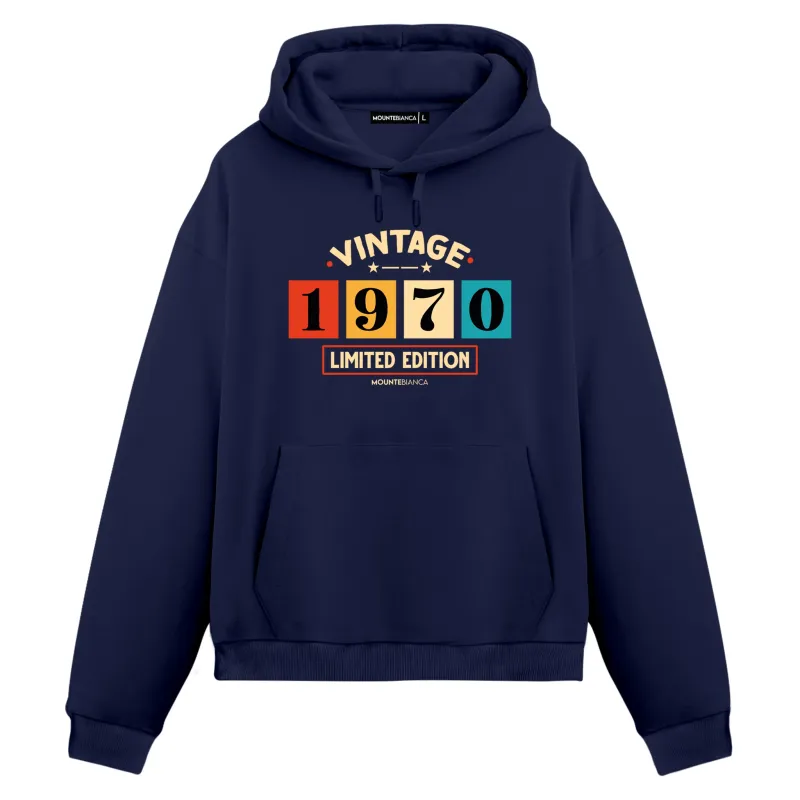
Photo: 1970s vintage sweatshirt hoodie warehouse discount retail clothing, via mountebianca.com
Walk through any American airport, college campus, or grocery store on a given Tuesday morning, and you'll see the same uniform repeated in every direction: hoodie, sweatpants, sneakers. Sometimes branded, sometimes plain, almost always comfortable. The athleisure look — the blending of athletic wear with everyday clothing — is now so dominant that entire fashion empires have been built around it.
Lululemon alone is worth more than $40 billion. Brands like Vuori, Alo, and Gymshark have turned the category into a cultural institution. The "business casual" dress code has quietly evolved, in many offices, into "whatever you want as long as it's not pajamas" — and sometimes not even that.
None of it was planned. The story of how athletic wear became America's default casual outfit doesn't begin in a design studio or a fitness trend. It begins in a corporate purchasing disaster that left companies across America holding warehouses full of stuff nobody wanted.
The Promotional Products Boom
To understand what happened, you need to go back to the late 1960s and early 1970s, when corporate promotional merchandise became a serious business in the United States.
As American companies grew larger and more brand-conscious, they began investing heavily in promotional goods — items emblazoned with company logos, given away at trade shows, distributed to employees, or sent to clients as goodwill gestures. Pens, calendars, and keychains were the classics. But by the early 1970s, a new category was gaining traction: branded athletic apparel.
The logic made sense at the time. America was in the early stages of a jogging and recreational fitness boom. Running clubs were forming in cities. Community 5K races were becoming popular. Companies saw an opportunity to put their logos on sweatshirts and sweatpants — durable, visible items that employees might actually wear outside the office.
Manufacturers, sensing demand, ramped up production. Promotional merchandise companies signed large contracts with corporate clients. Factories in the Midwest and Southeast began churning out fleece-lined sweatshirts and elastic-waist pants by the thousands.
Then the economy turned.
The Surplus Problem
The recession of 1973 to 1975 — triggered by the OPEC oil embargo and a broader economic contraction — hit American businesses hard. Corporate budgets were slashed. Marketing spending was among the first casualties. Promotional merchandise orders were canceled, reduced, or simply never paid for.
This left a specific and awkward problem: warehouses full of branded athletic apparel that nobody wanted. Some of it bore the logos of companies that had gone under. Some of it was from canceled orders that left manufacturers holding inventory they couldn't return. Some of it was simply overproduction — goods made in anticipation of demand that never materialized.
The merchandise had to go somewhere.
The Discount Retail Pipeline
This is where the story takes its decisive turn. Discount retailers — the forerunners of what would become the modern closeout and off-price industry — began buying up surplus promotional athletic wear in bulk. Stores like odd-lot liquidators, regional discount chains, and early factory outlet operations acquired massive quantities of sweatshirts, sweatpants, and fleece pullovers at pennies on the dollar.
Stripped of their corporate context, the items had an unexpected quality: they were genuinely comfortable, reasonably durable, and extremely cheap. A sweatshirt that a company had originally planned to give away as a premium gift was now selling for $3.99 on a wire rack in a discount store in Cleveland or Detroit or South Philadelphia.
People bought them. Not for the gym. Not for jogging. Just to wear around the house, to run errands, to stay warm on a Saturday morning. The athletic cut — loose, elastic-waisted, forgiving — turned out to be broadly appealing to people who had no particular fitness intentions at all.
Word spread the way things spread before social media: slowly, neighborhood by neighborhood, through the simple fact that the people wearing these clothes looked comfortable and the clothes cost almost nothing.
The Aerobics Decade Arrives
Just as the surplus apparel was filtering through discount retail channels, the 1980s arrived and changed the cultural context entirely.
Jane Fonda's workout tapes, released starting in 1982, became one of the best-selling home video products in history. Aerobics classes filled church basements and community centers across the country. Running went from a fringe activity to a mainstream one. Suddenly, the same sweatshirts and sweatpants that had been bought as cheap surplus became associated with an aspirational identity: the active, health-conscious American.
Manufacturers who had been nervously sitting on athletic wear inventory realized they had something valuable. Champion, which had been making athletic apparel for decades primarily for college teams and military use, pivoted aggressively toward the consumer market. Their reverse weave sweatshirt — originally developed in the 1930s to resist shrinkage in athletic laundering — became a fashion staple.
The hoodie, in particular, found an unexpected cultural moment. Originally designed as practical workwear for laborers in cold warehouses, it had been adopted by athletes and then by the surplus apparel wave. By the mid-1980s, it was appearing in hip-hop culture, in skateboarding communities, and on college campuses. Each subculture added its own layer of meaning to a garment that had started as a throwaway corporate gift.
From Surplus to Silicon Valley
The final act of the transformation came in the 1990s and 2000s, when the technology industry — centered in the Bay Area but spreading its cultural influence nationwide — adopted casual dress as a deliberate identity statement.
When Mark Zuckerberg wore a hoodie to investor meetings in the early days of Facebook, it wasn't because he'd found a particularly stylish one. He was participating in a tech culture that had long used casual clothing as a signal of values: we care about ideas, not appearances. That posture, amplified by the enormous cultural reach of Silicon Valley, legitimized athletic wear in contexts where it would previously have been unthinkable.
Lululemon launched in 1998. By the 2010s, the word "athleisure" had entered the dictionary. What had started as a corporate surplus problem in the mid-1970s had become one of the most significant shifts in American clothing culture in a century.
The Accidental Industry
The promotional merchandise companies that over-ordered in 1972. The discount retailers who cleared out warehouses for a few dollars per unit. The aerobics instructors who made sweatpants look aspirational. The tech founders who turned hoodies into a status symbol.
None of them were trying to build an industry. They were solving immediate, practical problems — what do we do with all this stuff, how do we move inventory, what do we wear to the office when nobody's making us dress up.
The result is a market worth hundreds of billions of dollars globally, built on the accumulated weight of a thousand small, unplanned decisions. The most comfortable outfit in your closet has a more complicated history than you'd ever guess.