One Executive's Stubbornness Put Music in Every American Pocket
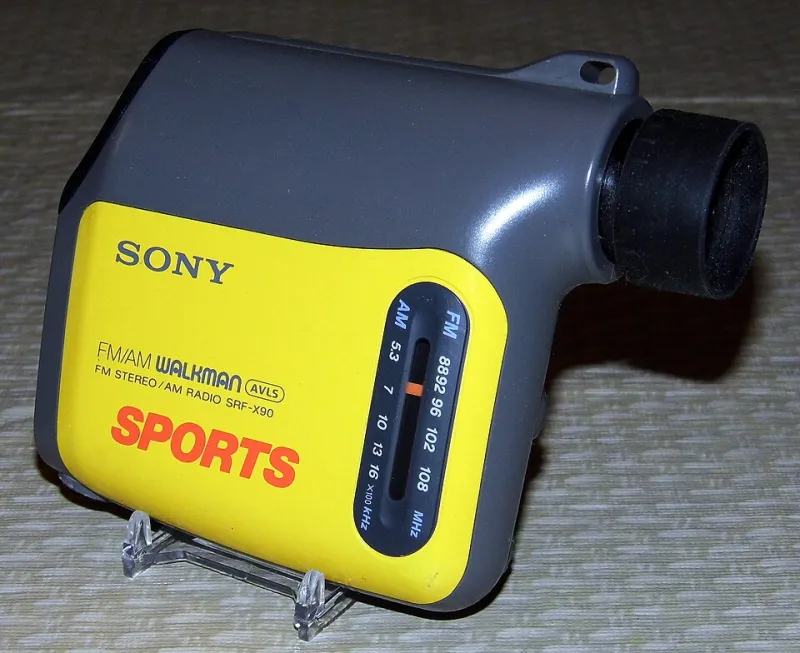
Photo: Joe Haupt from USA, CC BY-SA 2.0, via Wikimedia Commons
One Executive's Stubbornness Put Music in Every American Pocket
In 1978, if you wanted to listen to music on the go, your options were limited and mostly embarrassing. You could carry a transistor radio and hope the DJ played something you liked. You could lug around a bulky cassette player the size of a small brick. Or you could just wait until you got home.
Then one man decided that wasn't good enough — and his entire engineering team told him he was wrong.
The Device Nobody Wanted to Build
Masaru Ibuka was one of Sony's co-founders, and by the late 1970s, he was spending a lot of time on long-haul flights between Tokyo and the United States. He hated those flights. Not the turbulence or the food — the silence. Ibuka wanted music, and he wanted it without disturbing everyone around him.
He asked Sony's engineers to strip down an existing product — a portable cassette recorder called the Pressman — and turn it into something that only played back audio. No recording function. No speaker. Just a small, light device that fed sound directly into a pair of headphones.
The engineers built the prototype. Then they told him it was a terrible product.
Their reasoning was logical enough. In consumer electronics, a device that did less than existing products wasn't progress — it was regression. You couldn't record with it. You couldn't share audio through a speaker. It had no obvious utility beyond a single, narrow use case. Internal surveys suggested consumers wouldn't pay for a product that felt like a step backward. Several key team members formally opposed moving it to production.
Ibuka didn't care. He brought in Sony's other co-founder, Akio Morita, who listened to the prototype on a walk around the company grounds and immediately understood what Ibuka had felt on those flights. Morita overruled the objections, pushed the product into development, and set a sales target that his own sales team privately thought was delusional.
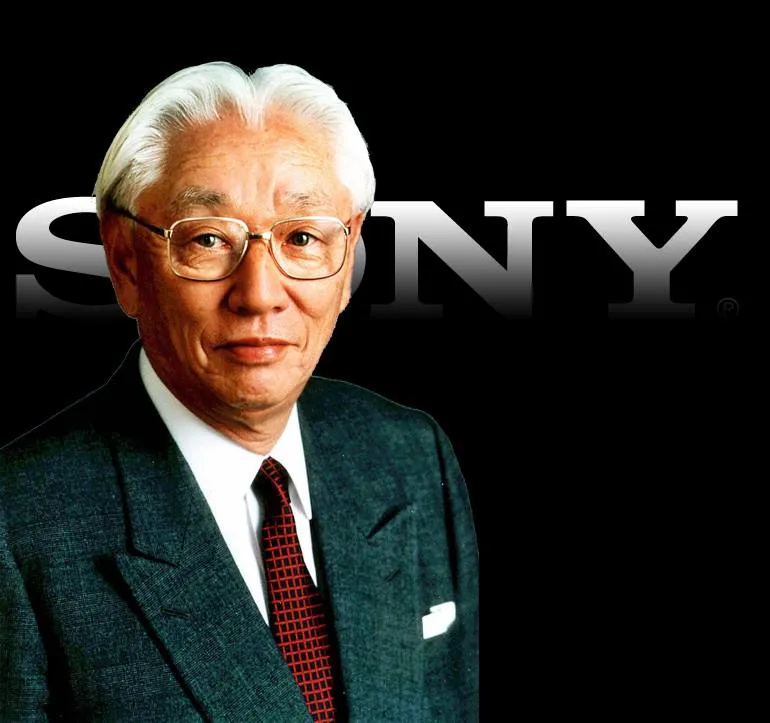 Photo: Akio Morita, via static.ybox.vn
The Launch That Changed Everything
The Sony Walkman hit Japanese shelves in July 1979. It arrived in the United States shortly after, carrying a retail price of around $200 — not cheap for the era. Early press coverage was skeptical. Why would anyone buy a tape player that can't record? was a question that appeared in more than one review.
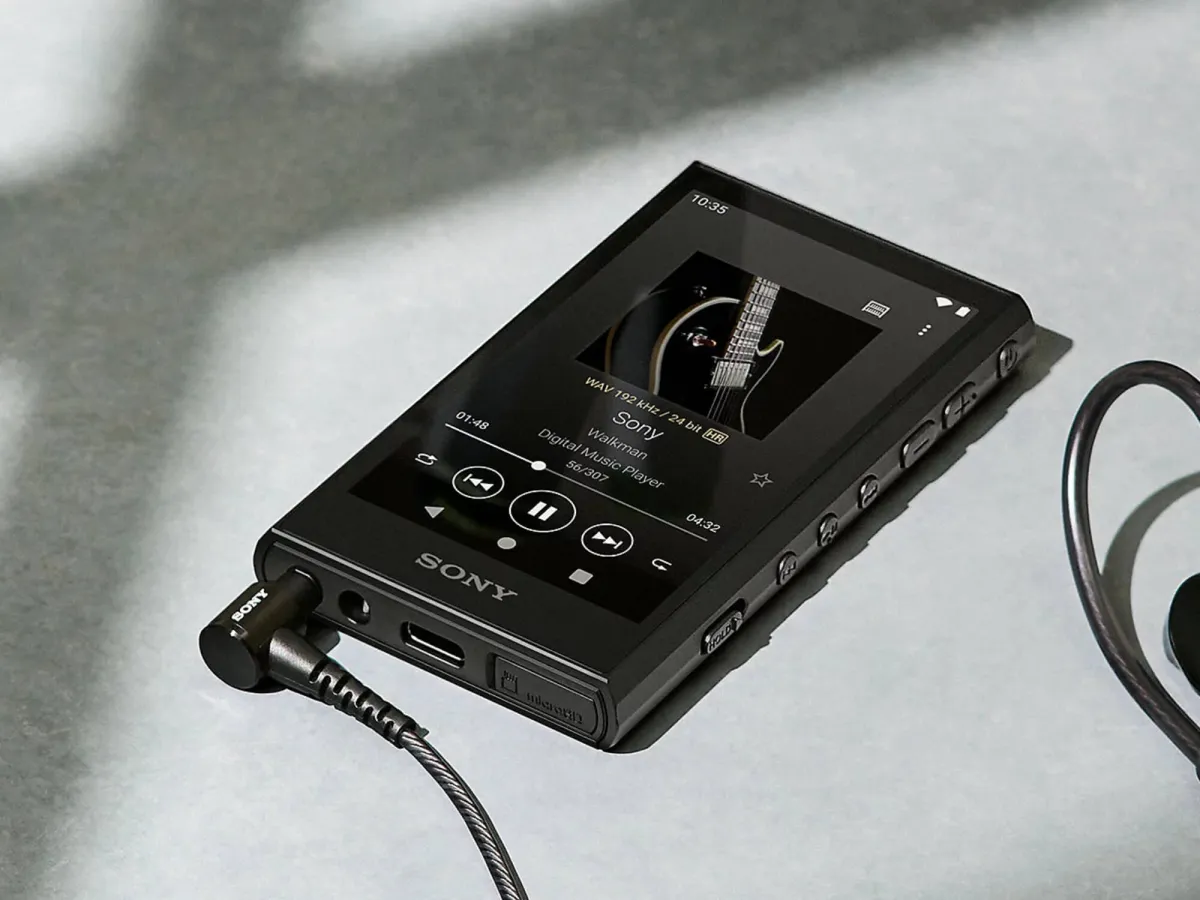 Photo: Sony Walkman, via www.gizmochina.com
The answer came quickly, and it came in volume.
Within months, Sony was struggling to keep up with demand. The device sold out across multiple markets. Teenagers bought them. Commuters bought them. Joggers — a demographic that was just beginning to emerge as a cultural force in late-1970s America — bought them in enormous numbers. The Walkman arrived at almost exactly the moment that running for fitness became a mainstream American habit, and it turned out that people who ran for an hour really, really wanted something to listen to.
By the early 1980s, the Walkman had crossed from product into cultural phenomenon. It appeared in movies, on magazine covers, and in the hands of characters in TV shows as a shorthand for modernity. It wasn't just a gadget — it was a signal that you were someone who moved through the world on your own terms, with your own soundtrack.
What the Walkman Actually Changed
The engineering team that opposed the Walkman wasn't wrong about what the device couldn't do. They were wrong about what that meant.
Before the Walkman, music was largely a shared experience. You listened to the radio with other people. You played records at a party. Even in a car, the music came through speakers that everyone in the vehicle could hear. Sound was, by default, communal.
The Walkman ended that default. For the first time, an individual American could step onto a crowded subway, slip on a pair of headphones, and exist inside a private acoustic world completely separate from everyone around them. Commutes changed. Workouts changed. The very idea of what it meant to be alone in public changed.
Urban planners and sociologists started noticing something odd in the early 1980s: people in cities were becoming harder to approach. Eye contact on public transit dropped. Strangers stopped striking up conversations. Some researchers blamed the Walkman directly, arguing that personal audio technology had introduced a new kind of invisible wall between individuals in shared spaces.
Whether that's a loss or a gain probably depends on how much you enjoy being talked to by strangers on the subway.
The Line That Runs Straight to Your Phone
Sony sold roughly 400 million Walkman units over the product's lifetime. The brand name became so dominant that "walkman" entered common usage as a generic term — the same way "kleenex" and "xerox" did — which was simultaneously a marketing triumph and a legal headache.
More importantly, the Walkman established a principle that every consumer electronics company since has built on: people will pay for a device that does one thing exceptionally well, even if it does fewer things than what already exists. That logic runs in a direct line from the 1979 Walkman to the first iPod in 2001 — which, notably, also launched to a wave of skepticism from people who thought a music-only device with no phone capability was a strange idea — and from there to the smartphone in your pocket, which carries your entire music library everywhere you go.
Ibuka just wanted something to listen to on a plane. His engineers said no. He pushed anyway.
Four decades later, the idea that you might leave the house without music in your pocket feels genuinely strange. That's what one stubborn executive's overruled opinion built.