The Wallpaper Disaster That Accidentally Made Books Affordable for Everyone
The Glue That Nobody Wanted
In 1935, the Kimberly-Clark Corporation had a problem on their hands—literally. They'd developed what they thought would be a revolutionary wallpaper adhesive, designed to make home decoration easier and more affordable for American families. The formula was strong, dried clear, and seemed perfect for the job.
 Photo: Kimberly-Clark Corporation, via logodix.com
There was just one catch: it made wallpaper impossible to remove. Homeowners who used the new adhesive found themselves permanently committed to their decorating choices. Word spread quickly, sales plummeted, and Kimberly-Clark was left with warehouses full of an adhesive nobody wanted.
When Failure Meets Opportunity
Meanwhile, across the country, American publishers were facing their own crisis. Books were expensive to produce, largely because traditional bookbinding required skilled labor and expensive materials. The binding process alone could double the cost of a book, putting reading material out of reach for many American families.
Robert de Graaf, founder of Pocket Books, was particularly frustrated by this problem. He'd been trying to figure out how to mass-produce affordable paperback books that could compete with the expensive hardcovers dominating American bookstores. The binding was the bottleneck—until someone at his printing company heard about Kimberly-Clark's wallpaper disaster.
 Photo: Robert de Graaf, via images.squarespace-cdn.com
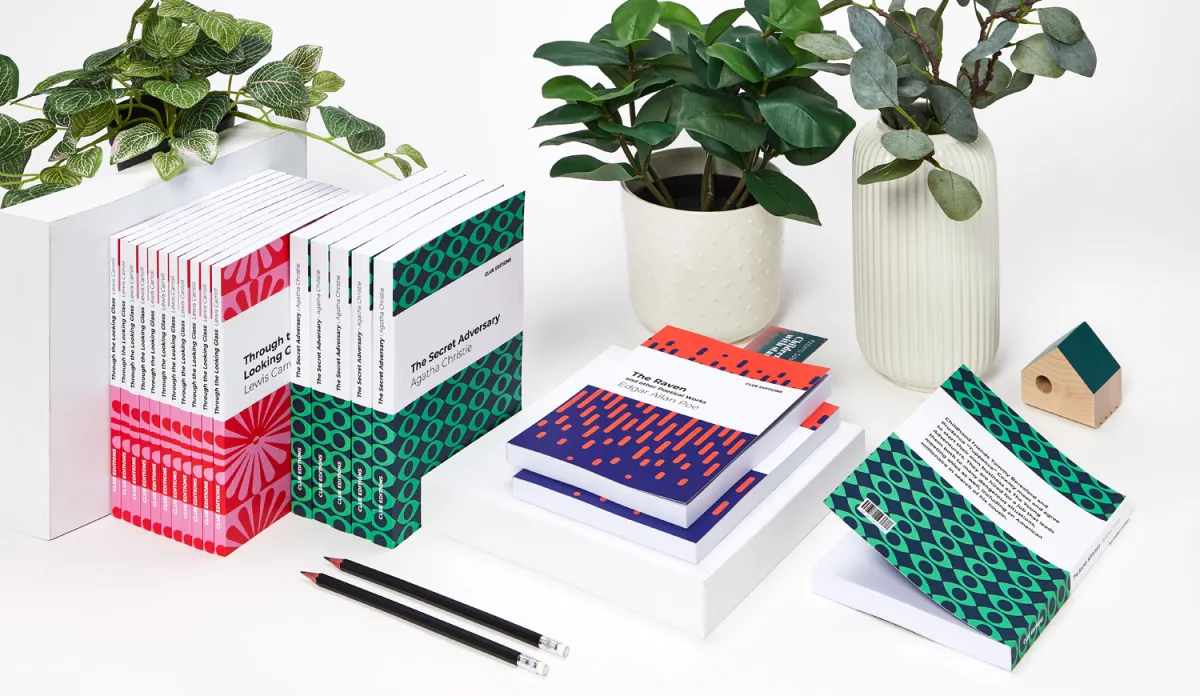 Photo: Pocket Books, via images.ctfassets.net
The Accidental Solution
What made Kimberly-Clark's adhesive terrible for wallpaper made it perfect for books. The same properties that permanently bonded wallpaper to walls—strong initial hold, resistance to moisture, and long-term durability—were exactly what publishers needed for paperback binding.
Better yet, the adhesive could be applied by machine rather than by hand, dramatically reducing labor costs. A process that had previously required skilled bookbinders could now be handled by factory workers operating automated equipment.
The failed wallpaper glue became the foundation of what publishers called "perfect binding"—a name that seems ironic given its accidental origins.
The Paperback Revolution Begins
With binding costs slashed, Pocket Books could price their paperbacks at 25 cents—roughly equivalent to $5 today. For the first time in American history, books cost less than a movie ticket. The impact was immediate and dramatic.
In 1939, Pocket Books sold 1.5 million copies of their first ten titles. By 1943, they were selling over 95 million books annually. Other publishers scrambled to adopt the same binding technology, and the paperback revolution was officially underway.
Reshaping American Literacy
The cheap paperback didn't just change publishing—it transformed American education and culture. Schools that couldn't afford classroom sets of hardcover books suddenly found literature within their budgets. Teachers could assign entire novels instead of just excerpts from anthologies.
College students, previously limited to expensive textbooks and library reserves, could build personal libraries. The GI Bill's education benefits went further when textbooks cost a fraction of their previous price. Returning World War II veterans found that higher education was suddenly more affordable than ever.
The Unexpected Cultural Impact
Paperbacks also changed what Americans read. Publishers discovered they could take risks on unknown authors and experimental genres when production costs were low. Science fiction, mystery novels, and romance paperbacks flourished because publishers could afford to test market appeal without major financial risk.
The distinctive cover art of paperback books—designed to catch attention on drugstore rotating racks—created a new form of American commercial art. Those colorful, often sensational covers became part of the visual landscape of mid-century America.
From Accident to Institution
By the 1960s, paperbacks outsold hardcover books by a significant margin. The binding technology that started as a wallpaper adhesive failure had become the standard for most American publishing. Even today, the majority of books sold in the United States use variations of that same binding process.
The impact extended beyond books themselves. Affordable reading material contributed to rising literacy rates, supported the growth of suburban libraries, and helped create the book club culture that defined American social life in the 1950s and 1960s.
The Technology That Changed Everything
What's remarkable about this story is how a purely practical innovation—finding a use for failed wallpaper glue—ended up having profound cultural consequences. The same adhesive that frustrated homeowners trying to redecorate made it possible for millions of Americans to access books who otherwise couldn't afford them.
This wasn't about visionary leadership or strategic planning. It was about practical people solving immediate problems with whatever materials they had available. Sometimes the most important technological breakthroughs happen not in research labs, but when someone figures out what to do with yesterday's failures.
Why This Story Matters Today
As digital publishing transforms how we consume written content, it's worth remembering that previous revolutions in reading accessibility often came from unexpected places. The failed wallpaper adhesive that democratized American reading reminds us that innovation often emerges from solving practical problems rather than pursuing grand visions.
The next time you pick up a paperback book, remember: you're holding the result of a home decoration disaster that accidentally made literature affordable for everyone.