When America's Money Got Its Color by Accident: The Ink Shortage That Defined the Dollar

The Color Nobody Asked For
Every American knows what money looks like: green. But here's what most people don't know—the U.S. Treasury Department never intended for American currency to be green at all. The distinctive color that now defines "cold hard cash" around the world happened because of a 19th-century supply chain problem that nobody saw coming.
In 1862, Congress authorized the first official paper currency to help fund the Civil War. The Treasury Department faced a massive challenge: how do you print millions of bills that can't be easily counterfeited? The answer seemed obvious—use multiple colors and intricate designs that would be nearly impossible to replicate with the printing technology available to criminals.
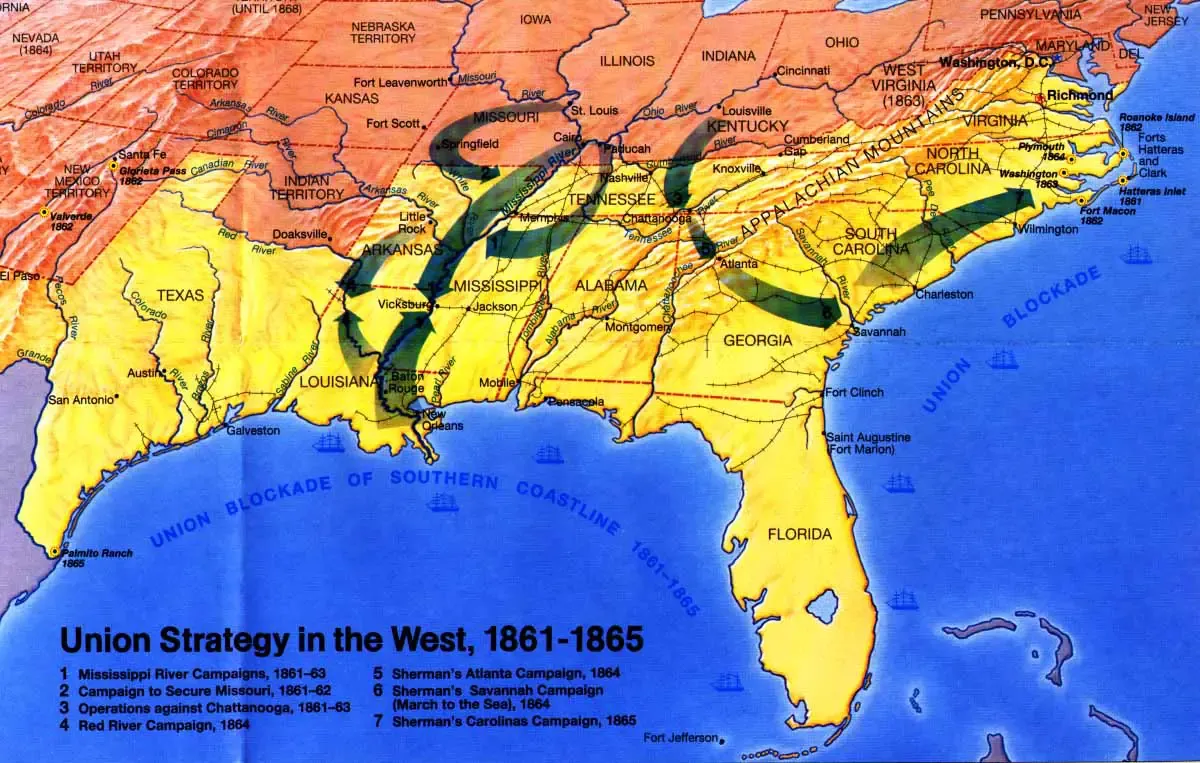 Photo: Civil War, via cdn2.americancivilwar.com
When Good Plans Meet Bad Timing
The Treasury's original vision called for elaborate multi-colored bills featuring reds, blues, and other vibrant hues. But there was one problem they hadn't anticipated: the Civil War had disrupted supply chains for high-quality printing inks. Most of the specialized dyes and pigments came from European suppliers who were either unwilling or unable to ship to a war-torn America.
What the Treasury could get reliably was a particular shade of green ink. This wasn't some patriotic choice or symbolic decision—it was literally the only color they could source in large enough quantities to print the money the country desperately needed.
The green came from a chromium oxide-based formula that had originally been developed for printing wallpaper and book covers. It was stable, relatively inexpensive to produce domestically, and most importantly, available. So green it was.
The Accidental Security Feature
What started as a supply chain compromise turned out to be a stroke of genius. The specific green ink formula the Treasury settled on had an unexpected property: it was incredibly difficult to photograph accurately. Early camera technology struggled to capture the exact shade, making it nearly impossible for counterfeiters to match the color precisely when creating fake bills.
This wasn't planned—it was pure luck. But Treasury officials quickly realized they'd stumbled onto something valuable. The green ink became a security feature by accident, and they leaned into it hard.
How Green Became the Color of Money
By the 1870s, Americans had started calling paper money "greenbacks," a nickname that stuck. The color became so associated with U.S. currency that when other countries designed their own paper money, many deliberately chose different colors to distinguish their currencies from the dominant American dollar.
The psychological impact was profound. Green became the color Americans associated with wealth, prosperity, and financial power. This accidental color choice influenced everything from the design of bank buildings to the way Wall Street marketed investment products.
 Photo: Wall Street, via i.pinimg.com
The Global Ripple Effect
As American economic influence grew throughout the 20th century, so did the association between green and money itself. Hollywood movies exported this visual language worldwide. When filmmakers wanted to show wealth or financial power, they showed green bills—even when depicting countries that used completely different colored currencies.
The green dollar became so iconic that when the U.S. started redesigning bills in the 1990s to add modern security features, there was genuine public resistance to changing the color. Focus groups revealed that Americans didn't trust money that wasn't green, even if it was more secure.
The Digital Age Paradox
Today, most financial transactions happen digitally, but the green association persists. Banking apps use green to indicate positive account balances. Investment platforms use green arrows to show gains. Even cryptocurrency trading platforms default to green for profitable positions.
An accidental color choice from 1862 continues to shape how Americans think about money in an age when most of us rarely handle physical cash. The Treasury Department's supply chain problem created a visual language that outlasted the technology that caused it.
Why It Still Matters
The story of green money reveals something important about how cultural symbols develop. The most powerful associations often aren't the result of careful planning or symbolic intention—they emerge from practical decisions made under pressure.
That emergency ink choice during the Civil War didn't just determine what American money looked like. It created a psychological connection between a specific color and the concept of wealth that influenced global finance, shaped American culture, and continues to affect how we design everything from apps to advertisements.
Sometimes the most lasting decisions are the ones nobody meant to make.